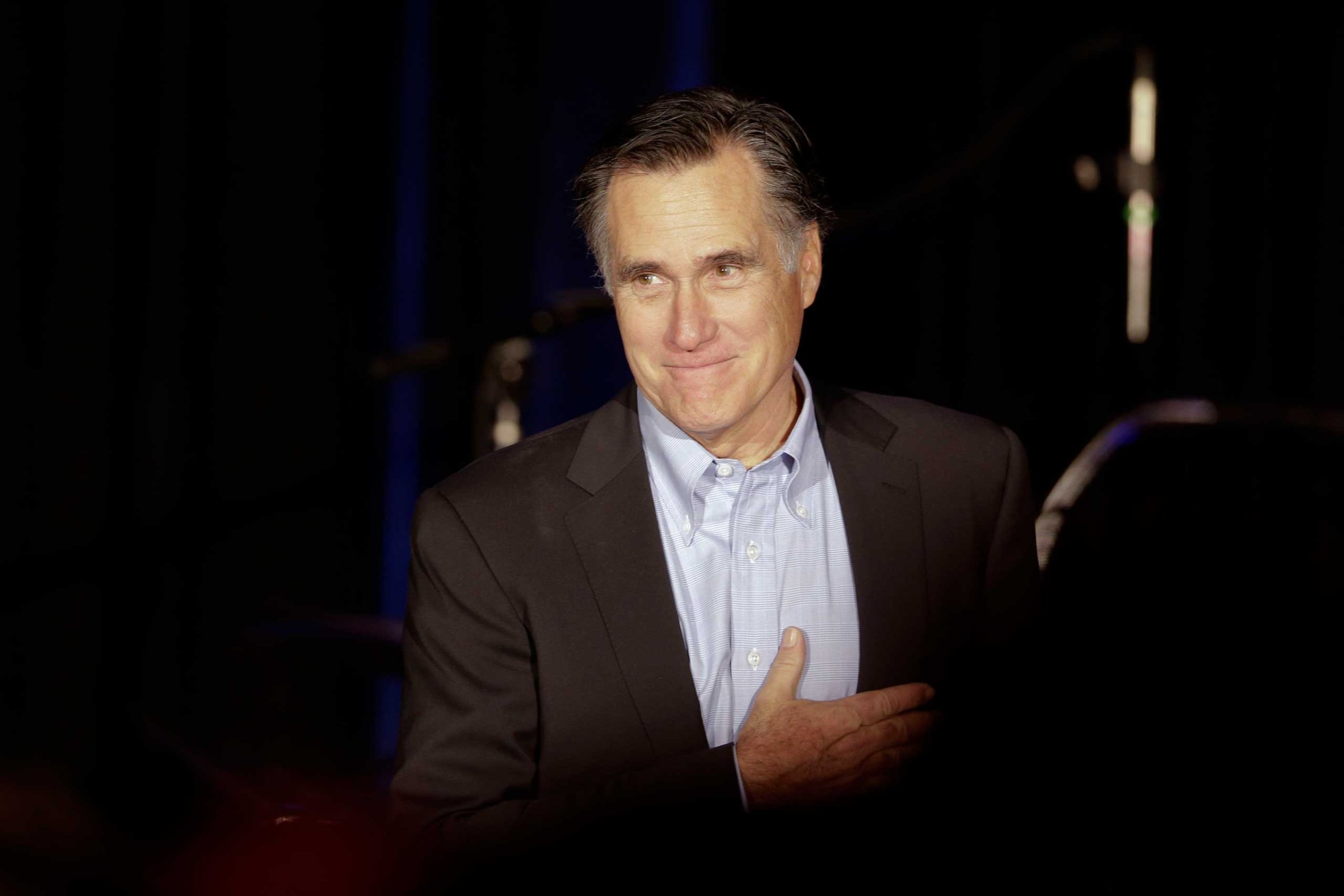
Mitt Romney, the former Republican presidential nominee, gestures before speaking during the Republican National Committee's winter meeting aboard the USS Midway Museum in San Deigo, Calif. on Jan. 16, 2015.Gregory Bull—AP
Former Massachusetts Gov. Mitt Romney told donors and supporters Friday that he will not run for president, just three weeks after upending the GOP field by suggesting he was seriously considering a third bid for the White House.
“After putting considerable thought into making another run for president, I’ve decided it is best to give other leaders in the party the opportunity to become our next nominee,” Romney told donors, in remarks that were first published by conservative radio host Hugh Hewitt and confirmed by a Romney aide.
Late Thursday, Romney invited donors and supporters to a conference call to announce his plans. “Please join me for an update call tomorrow at 11:00 AM EST / 8:00 AM PST,” Romney’s political team wrote in an email, signed “All the best, Mitt.”
Romney told those on the call that he is confident he could once again win the Republican nomination. But he also acknowledged, “it would have been difficult test and a hard fight.” He added hat he believes that another Republican would best be able to challenge likely Democratic nominee former Secretary of State Hillary Clinton.
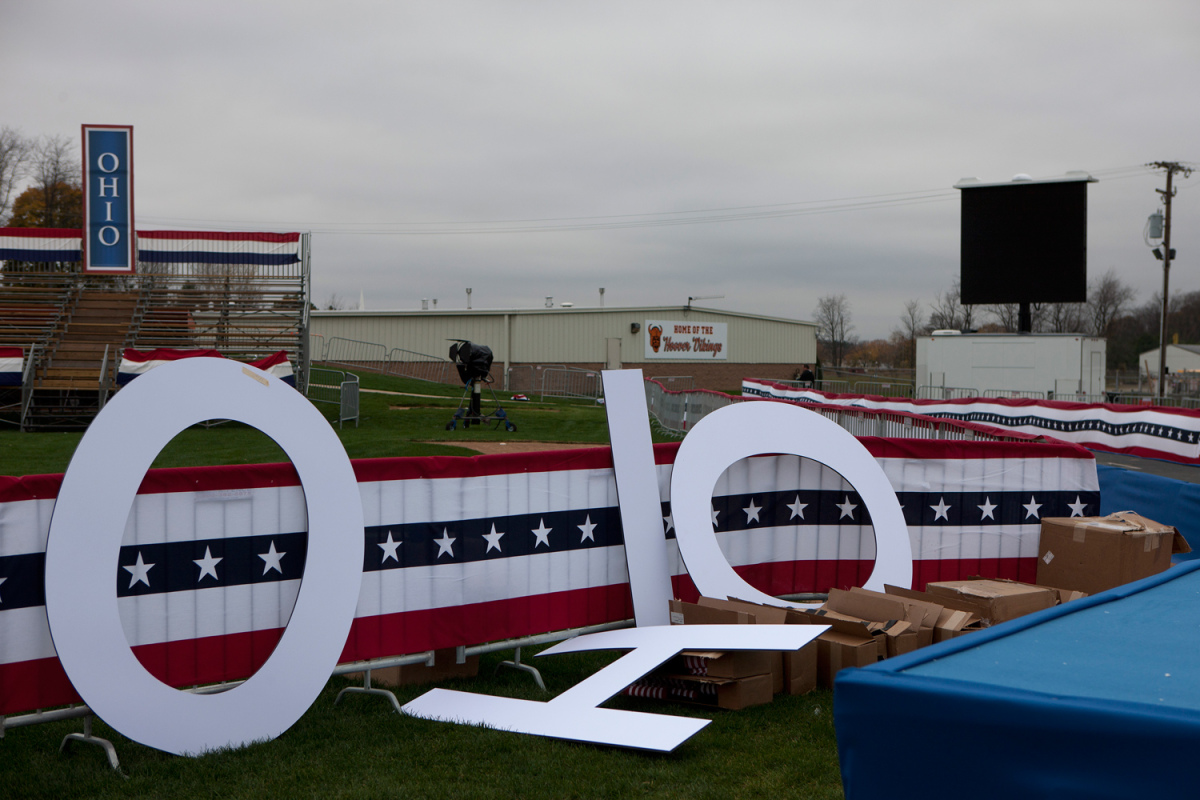
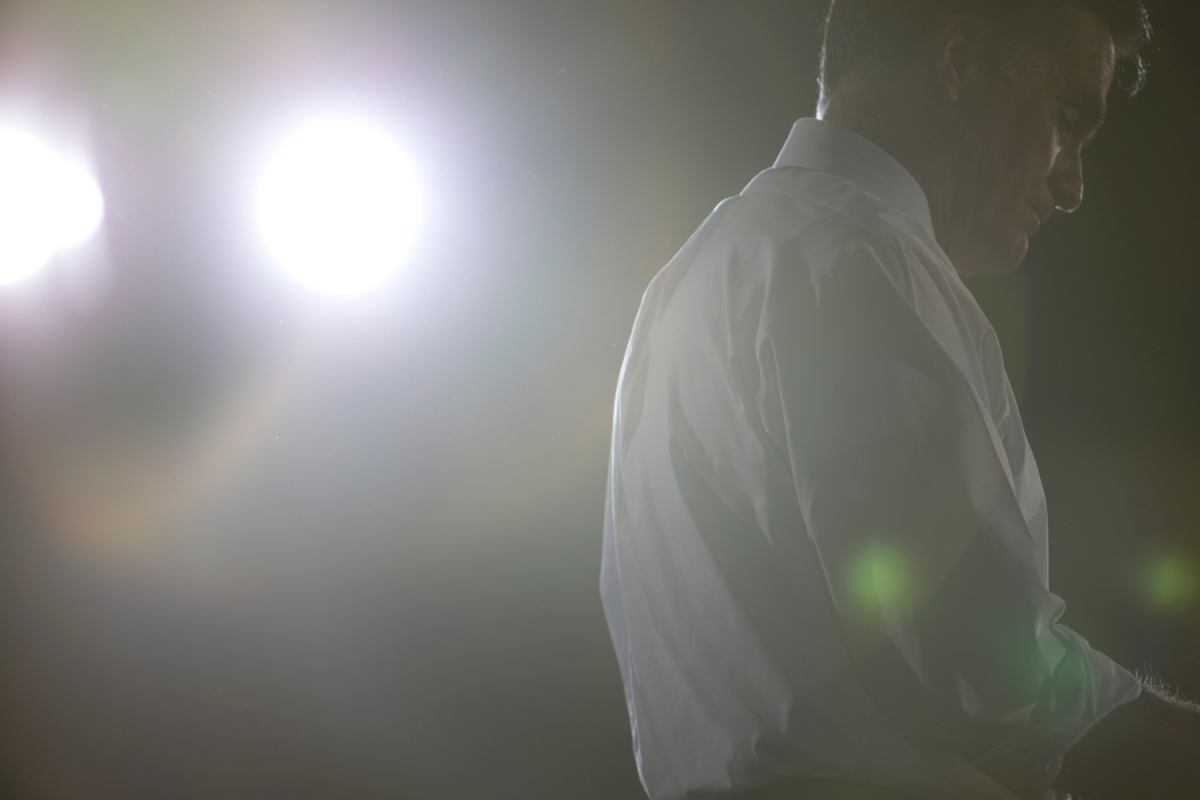
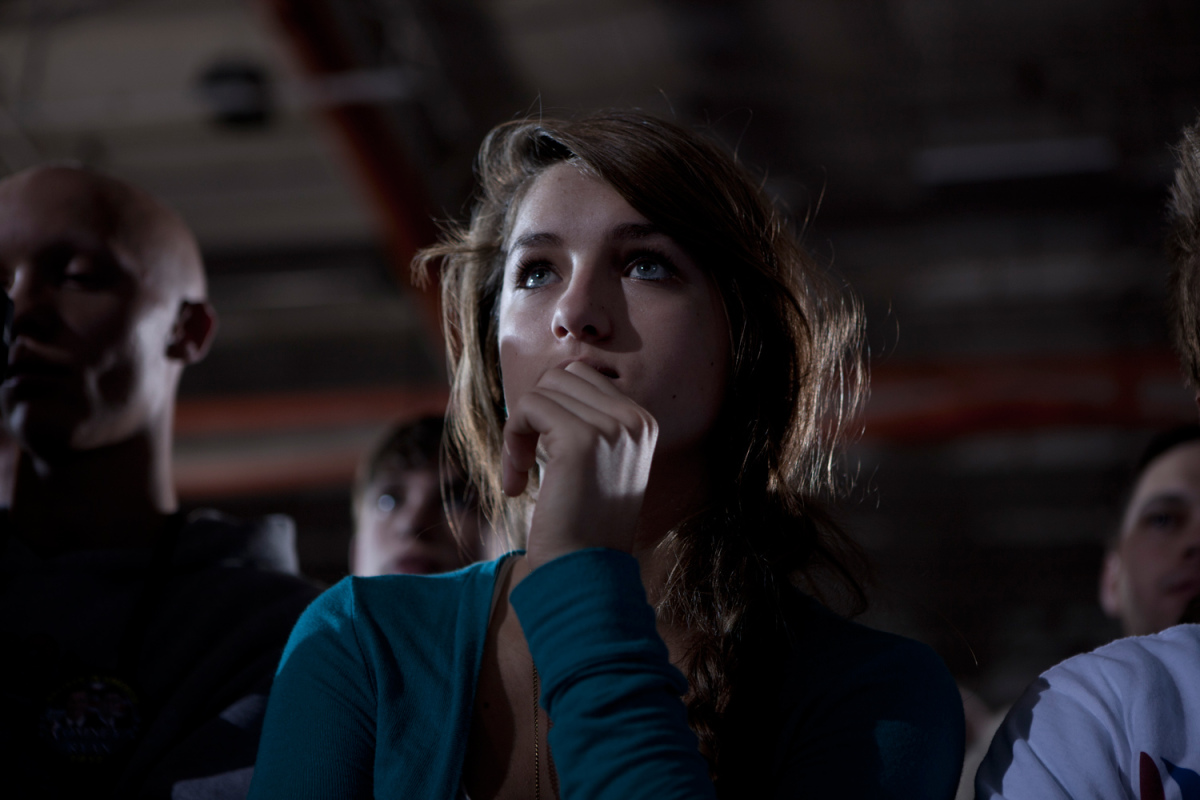
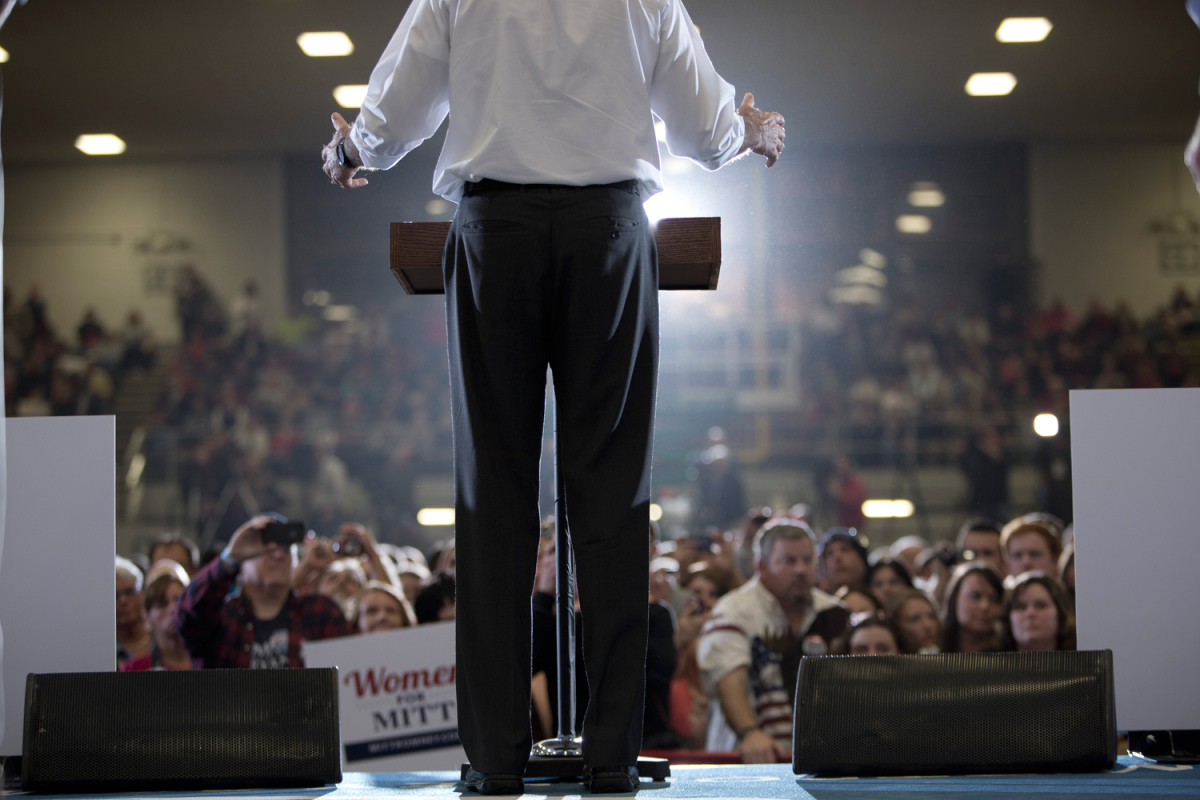
See the Last Days of Mitt Romney's 2012 Campaign
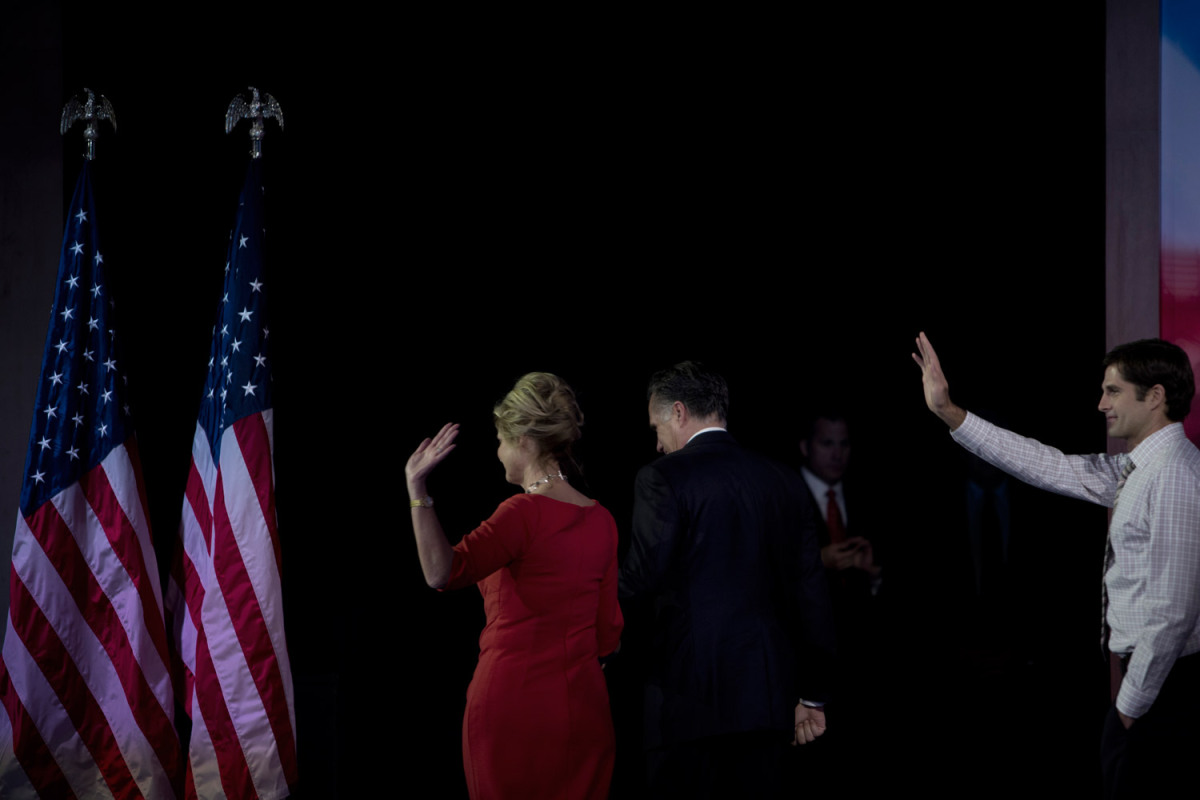
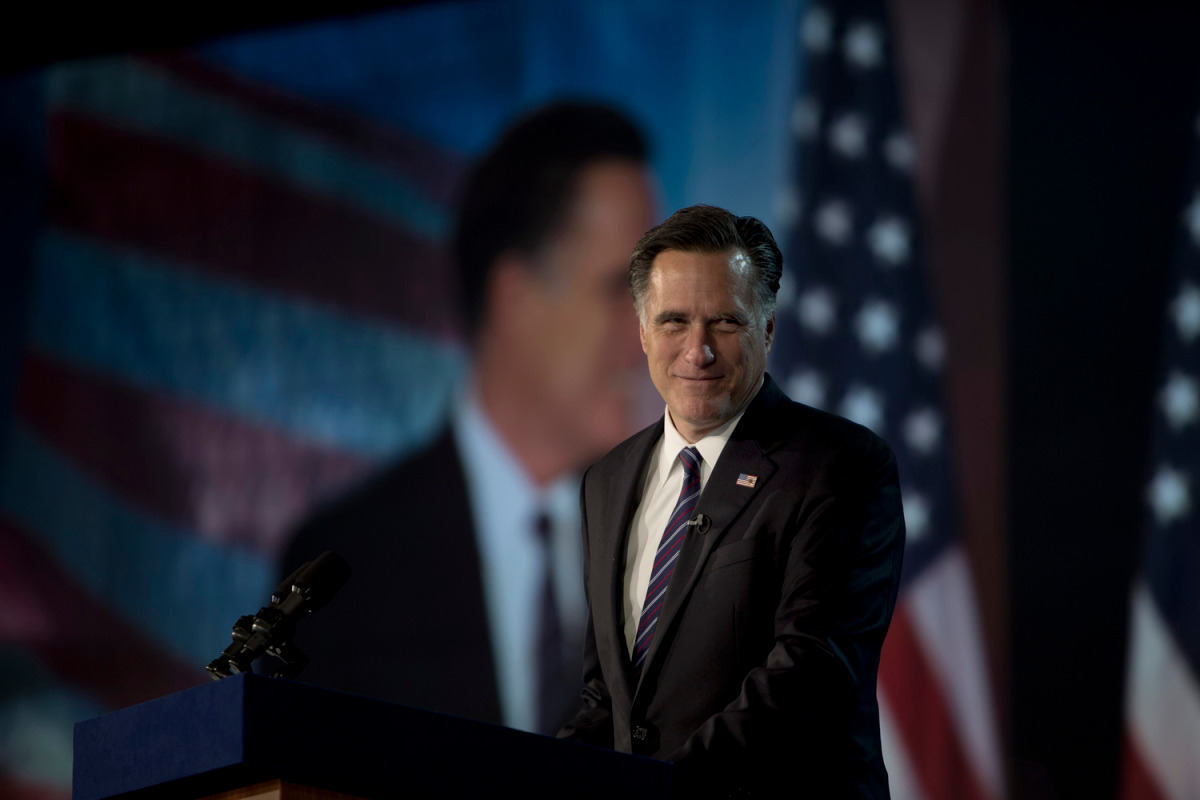
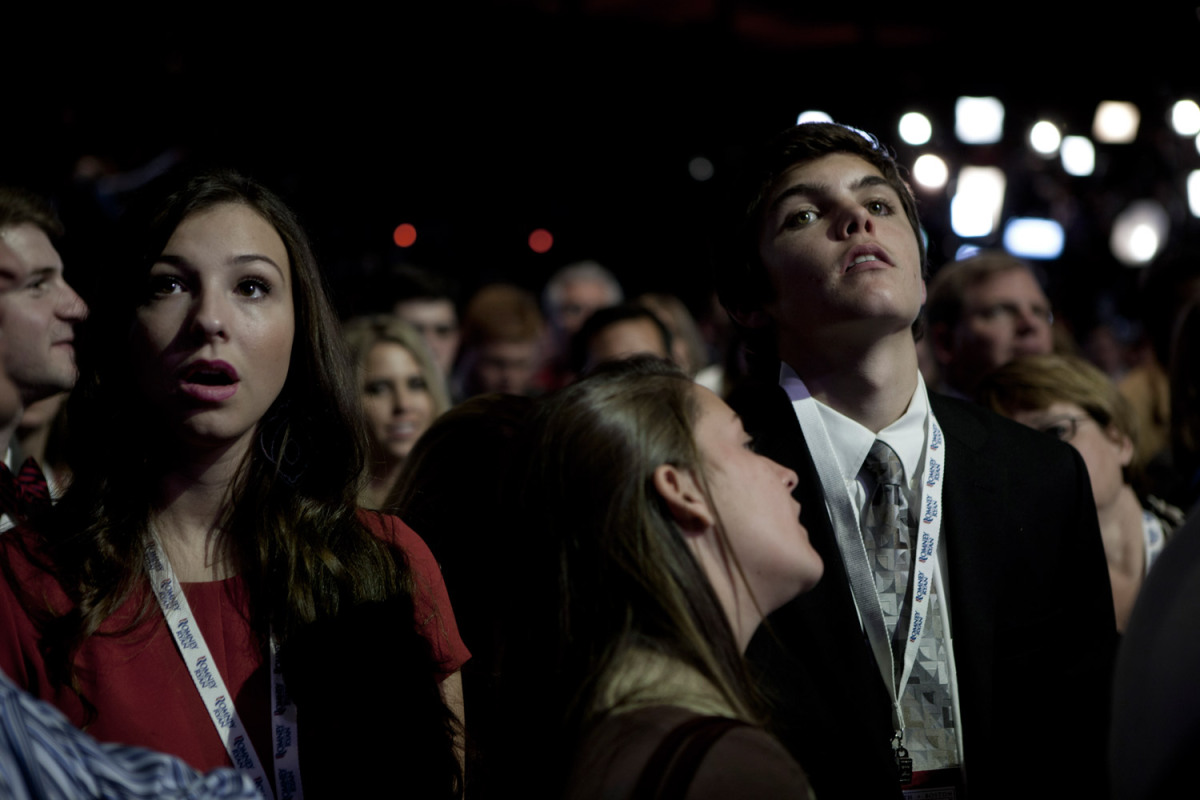
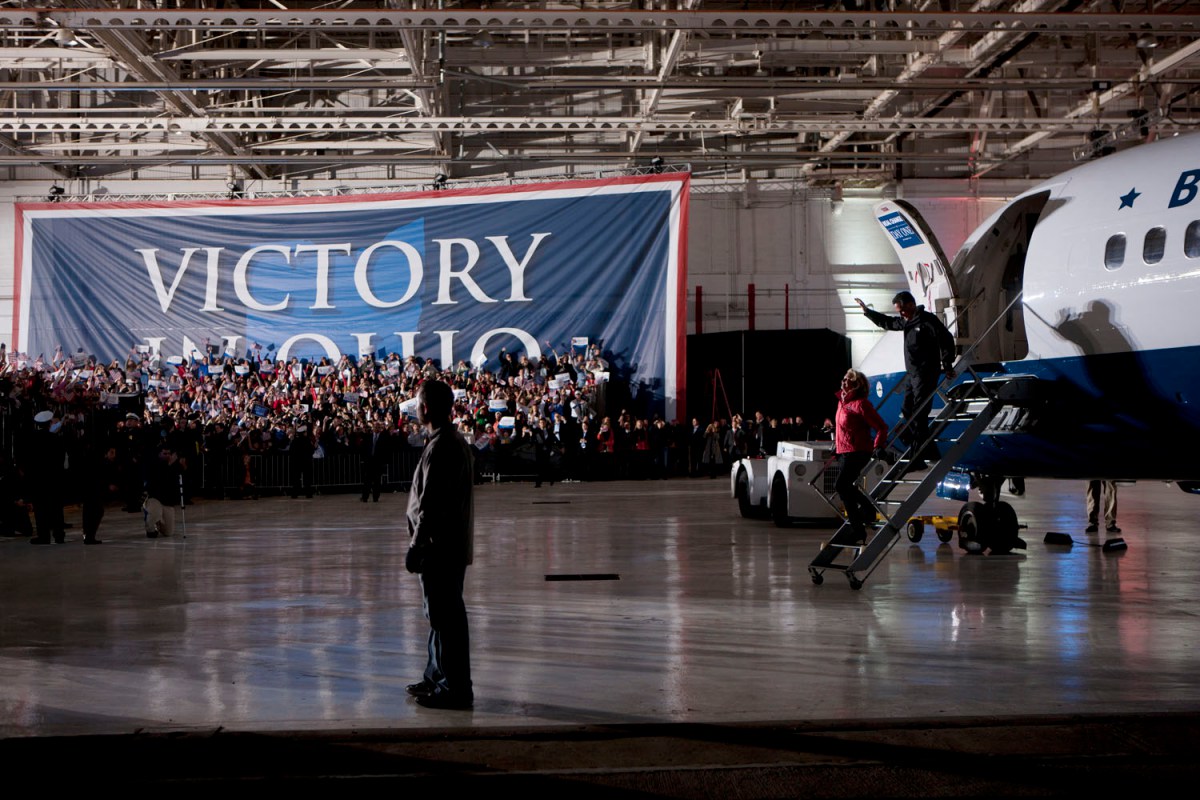
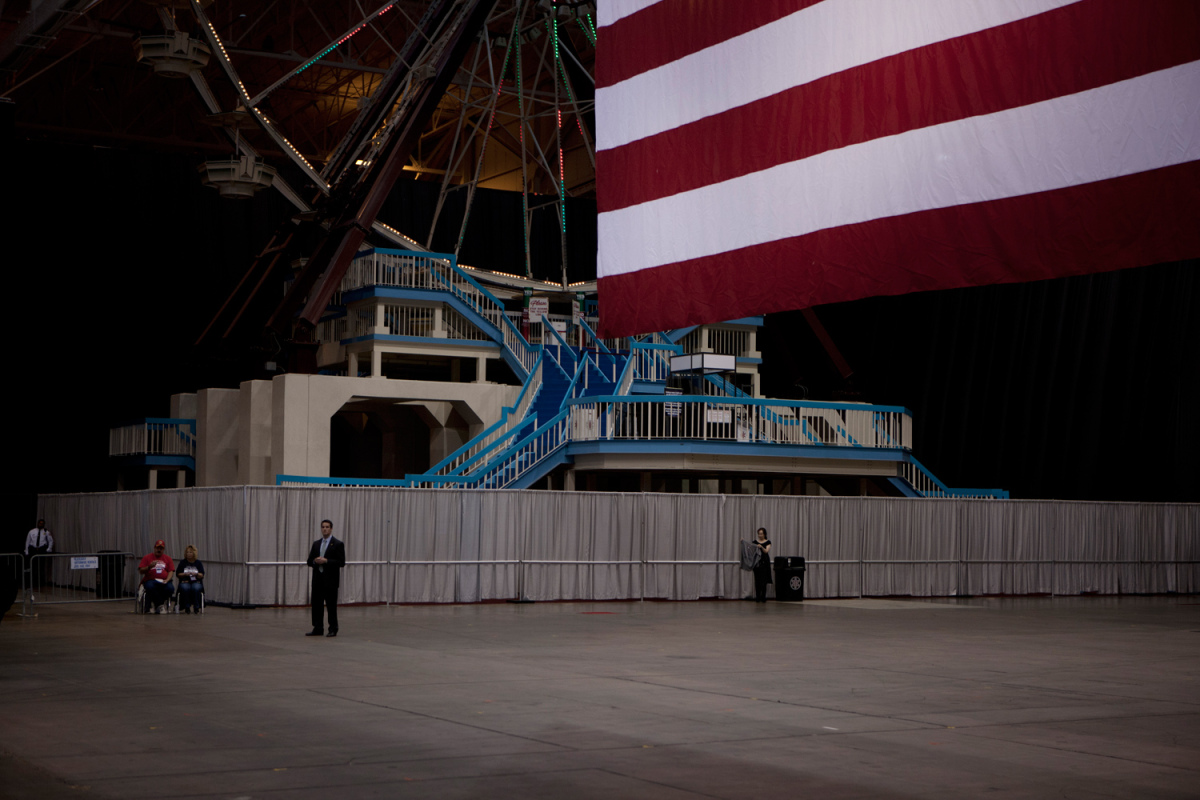
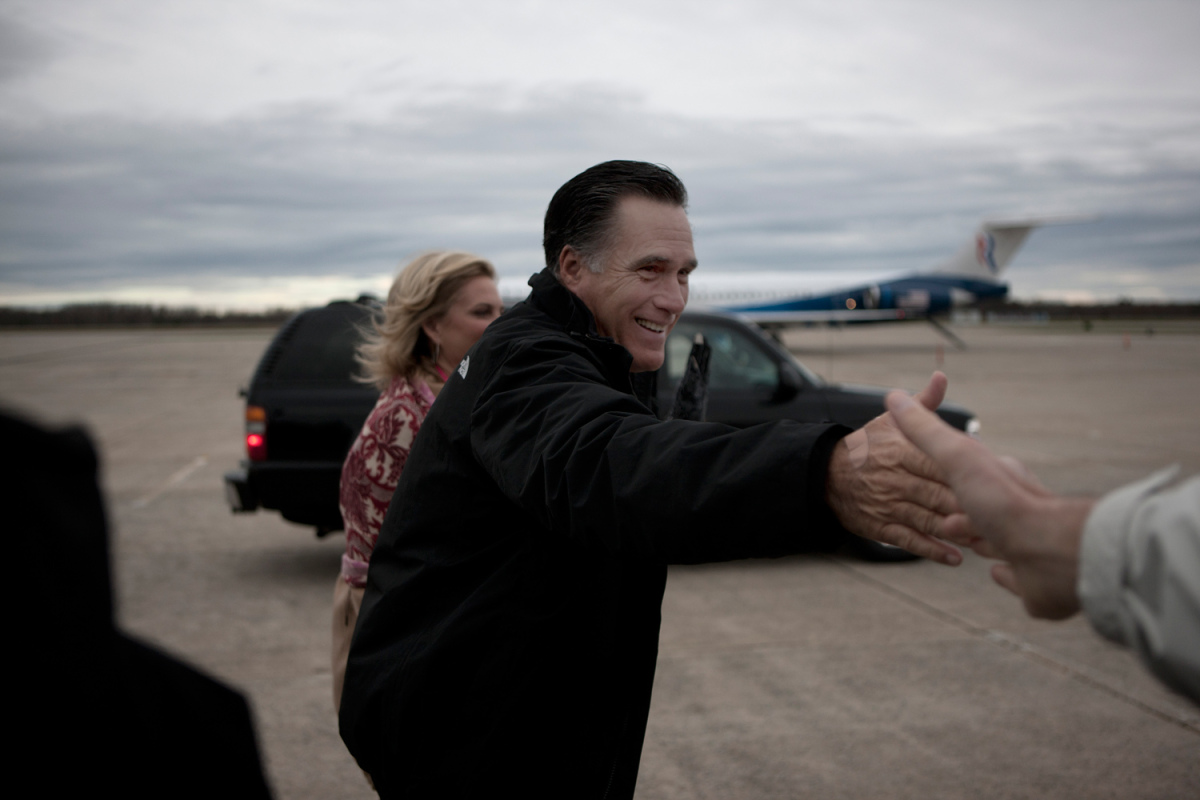
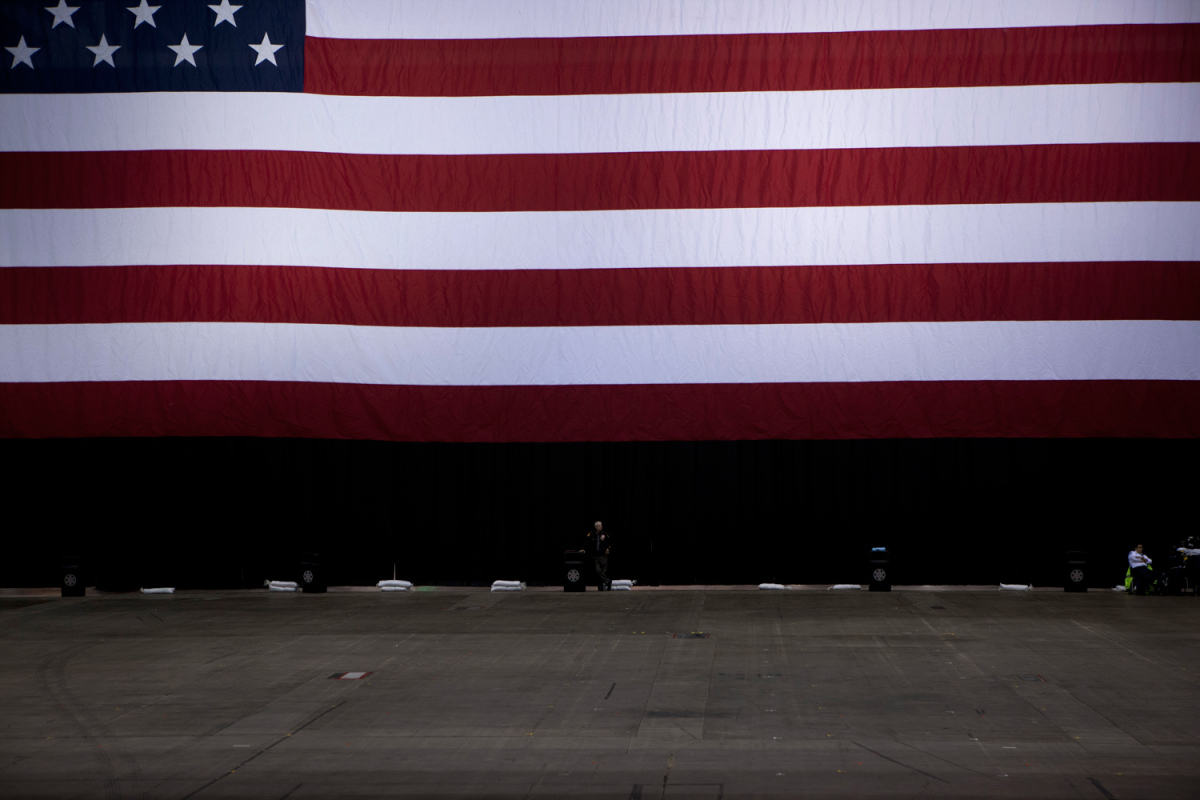
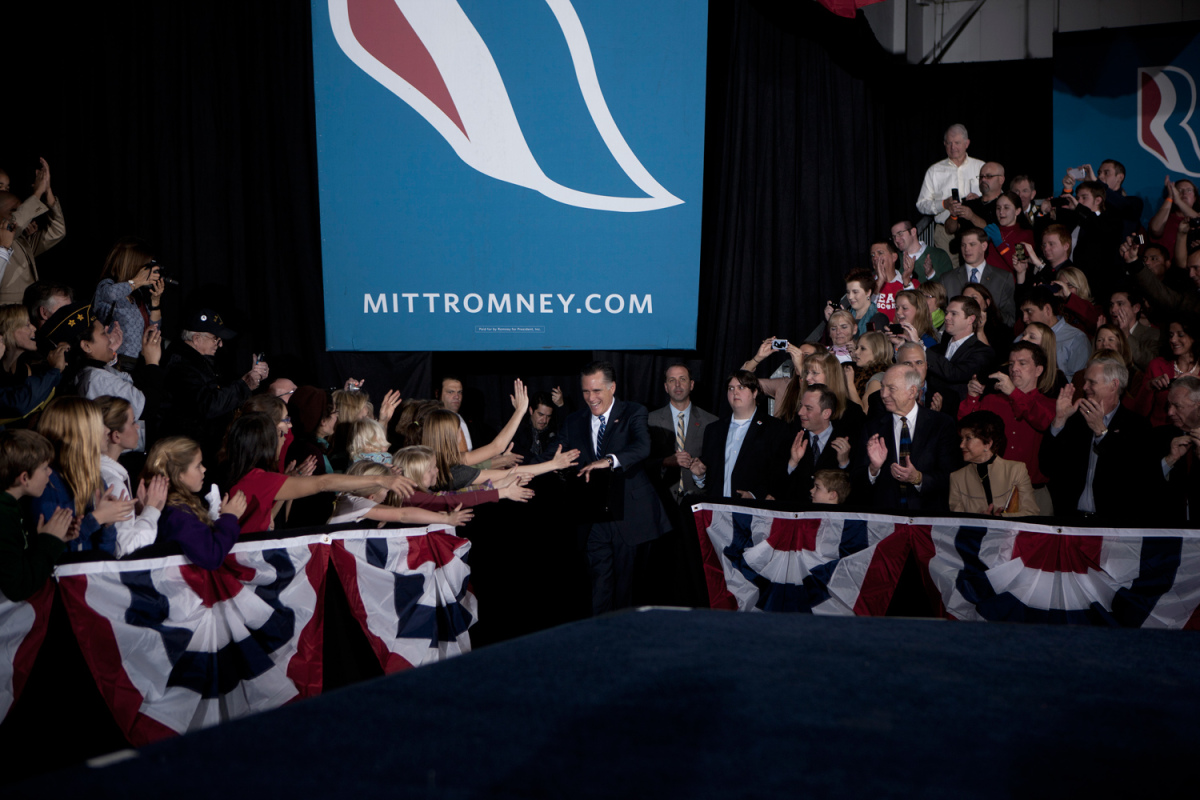
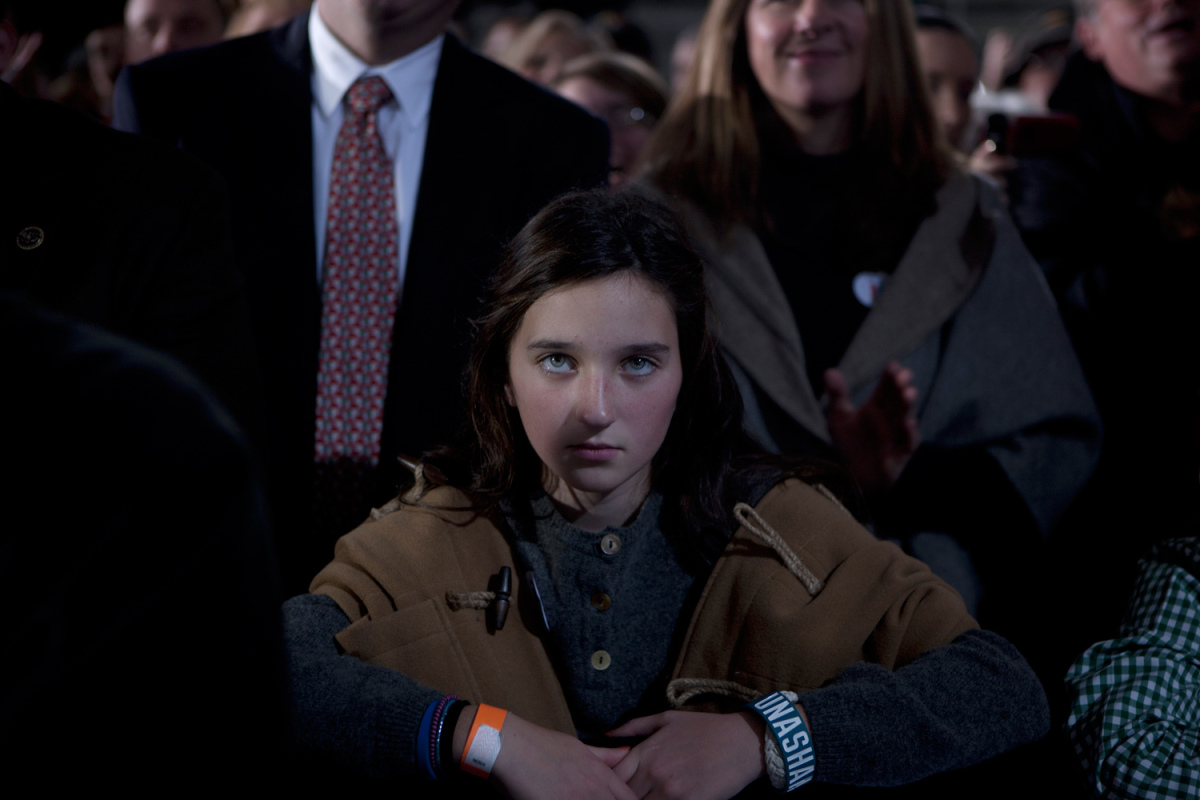
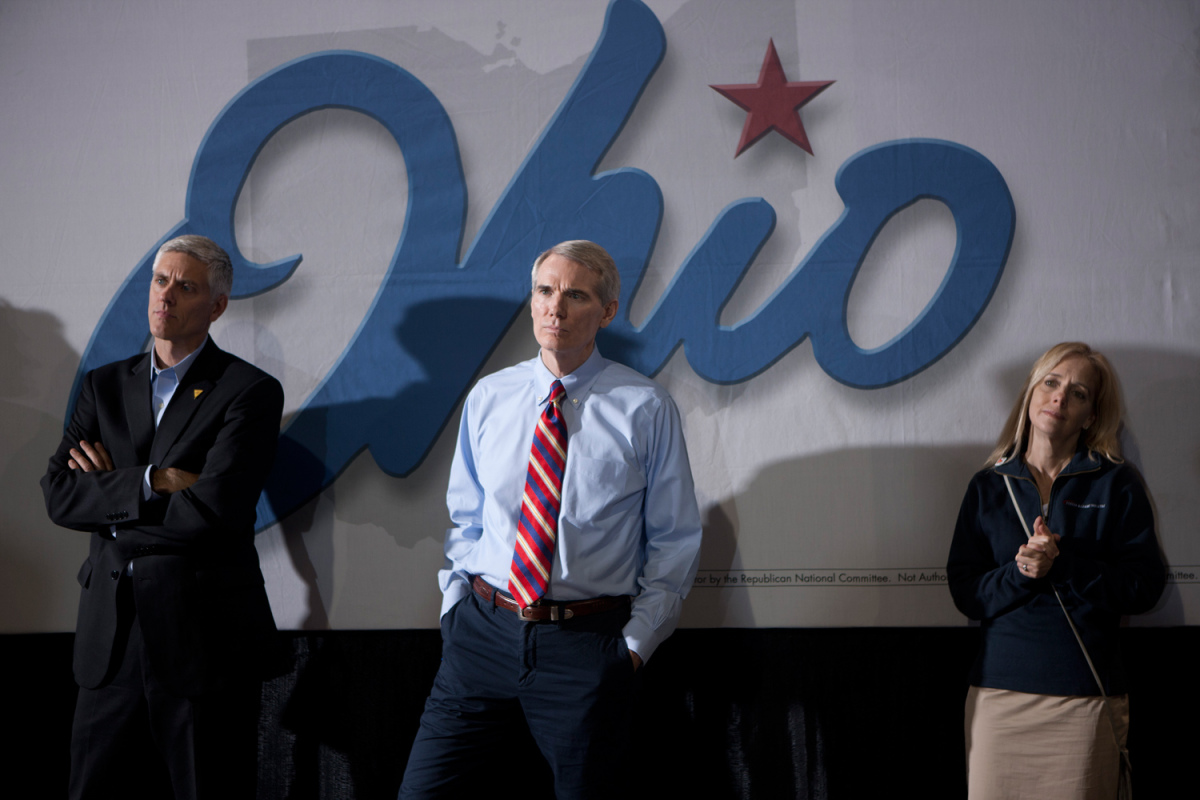
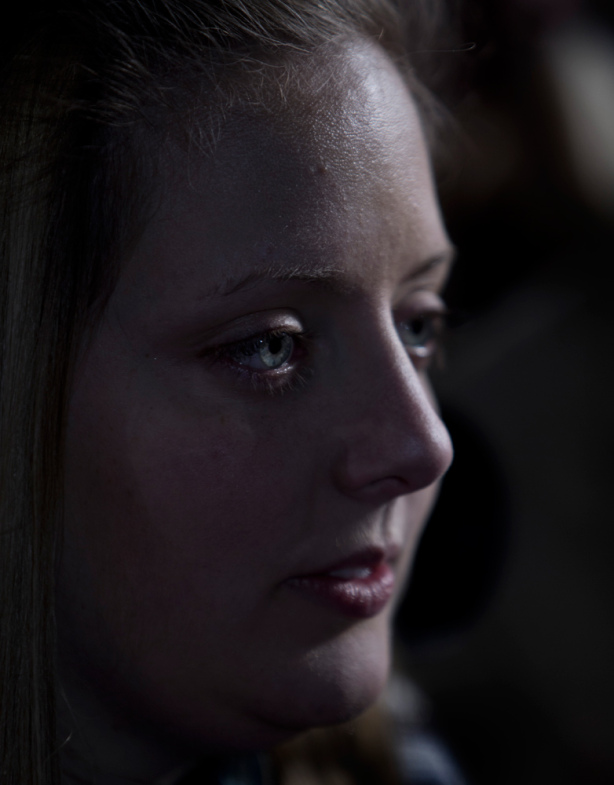
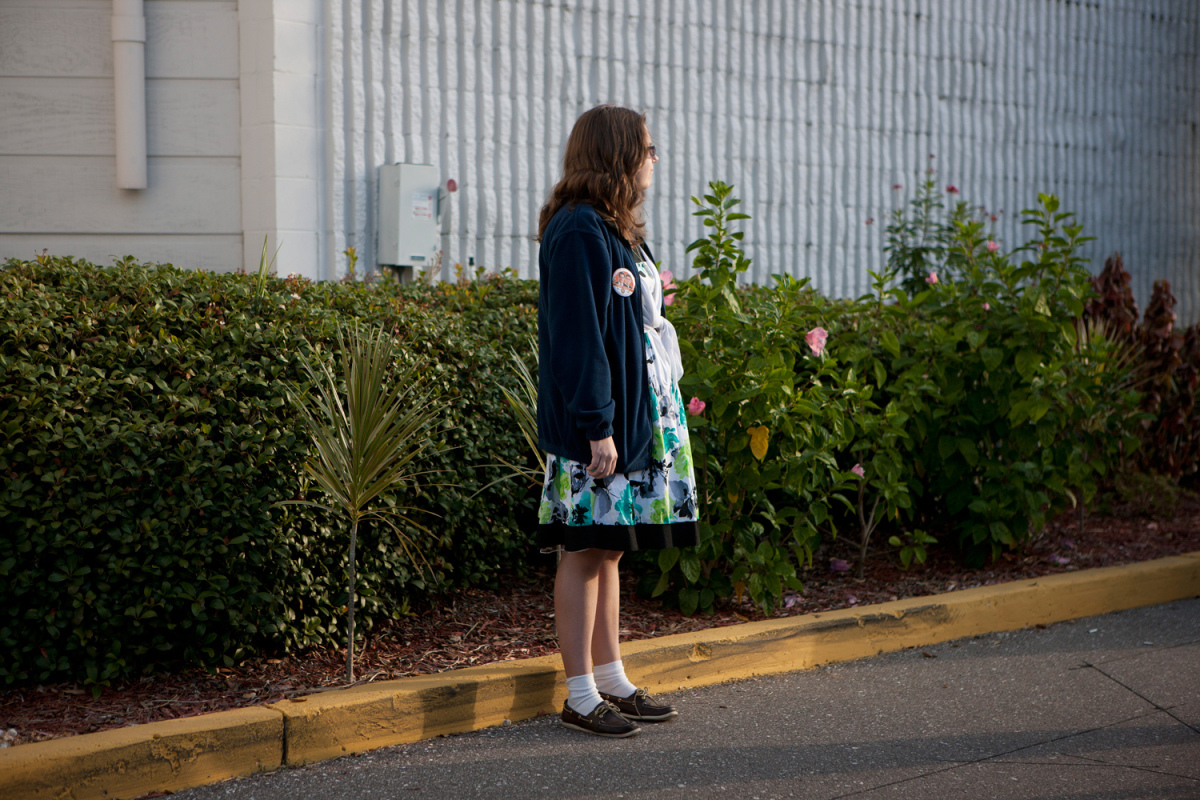
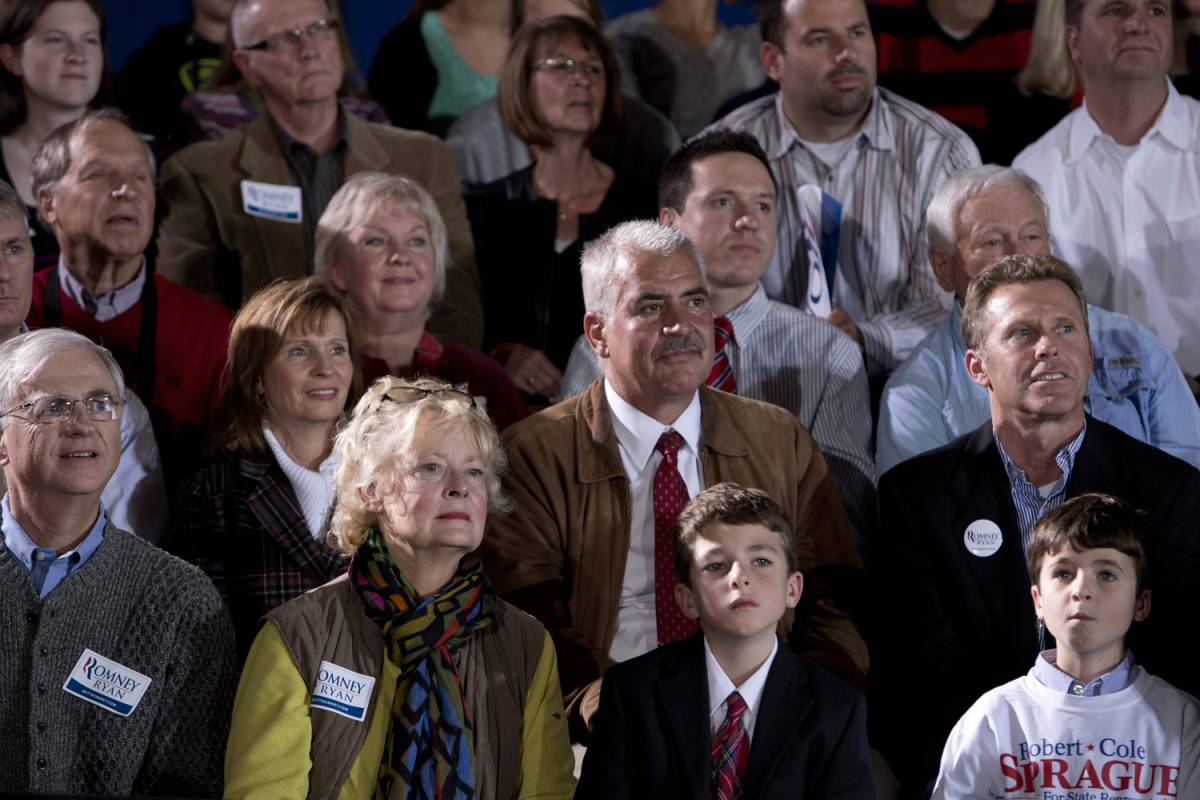
Nov. 7, 2012. Ann Romney and Mitt Romney leave the stage of the Boston Convention Center after his concession speech.Christopher Morris—VII for TIMENov. 7, 2012. Romney gives his concession speech to supporters gathered at the Boston Convention Center on election night.Christopher Morris—VII for TIMENov. 6, 2012. Supporters of Mitt Romney look on as they learn the results of the election at the Boston Convention Center.Christopher Morris—VII for TIMENov. 5, 2012. Mitt and Ann Romney deplane at a campaign rally in Columbus, Ohio.
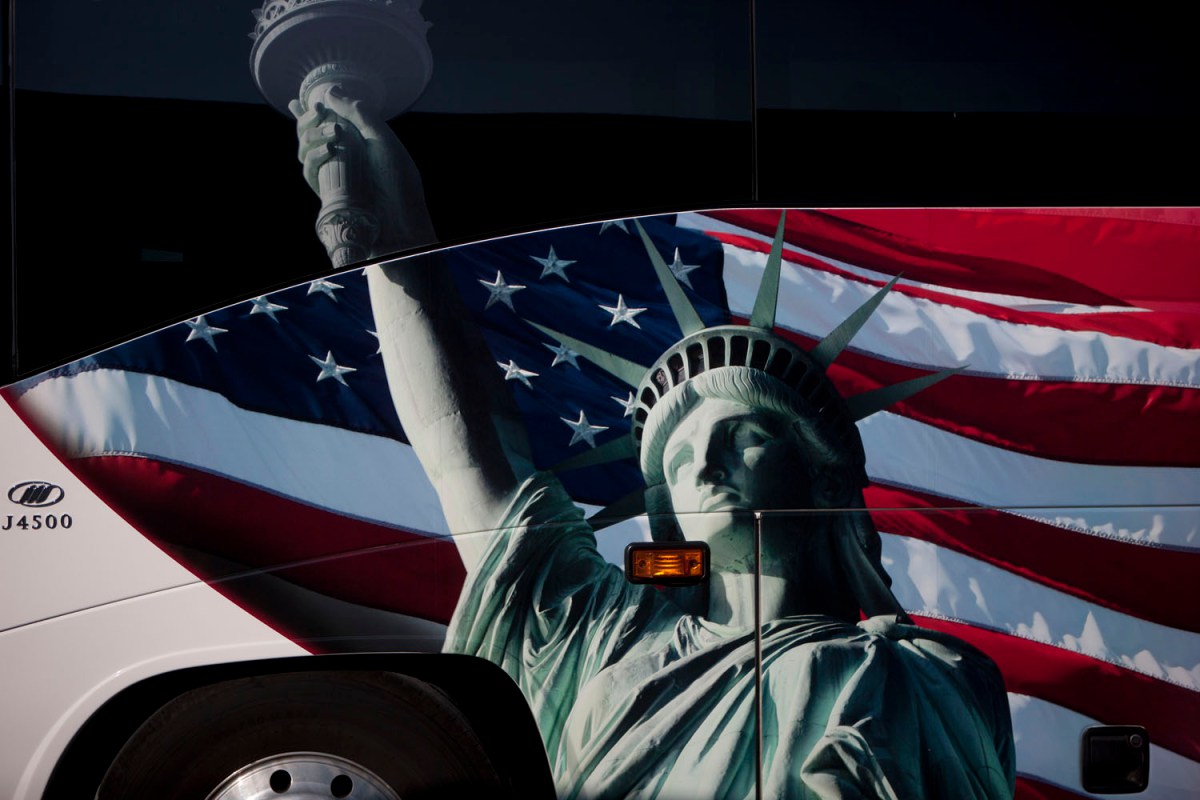
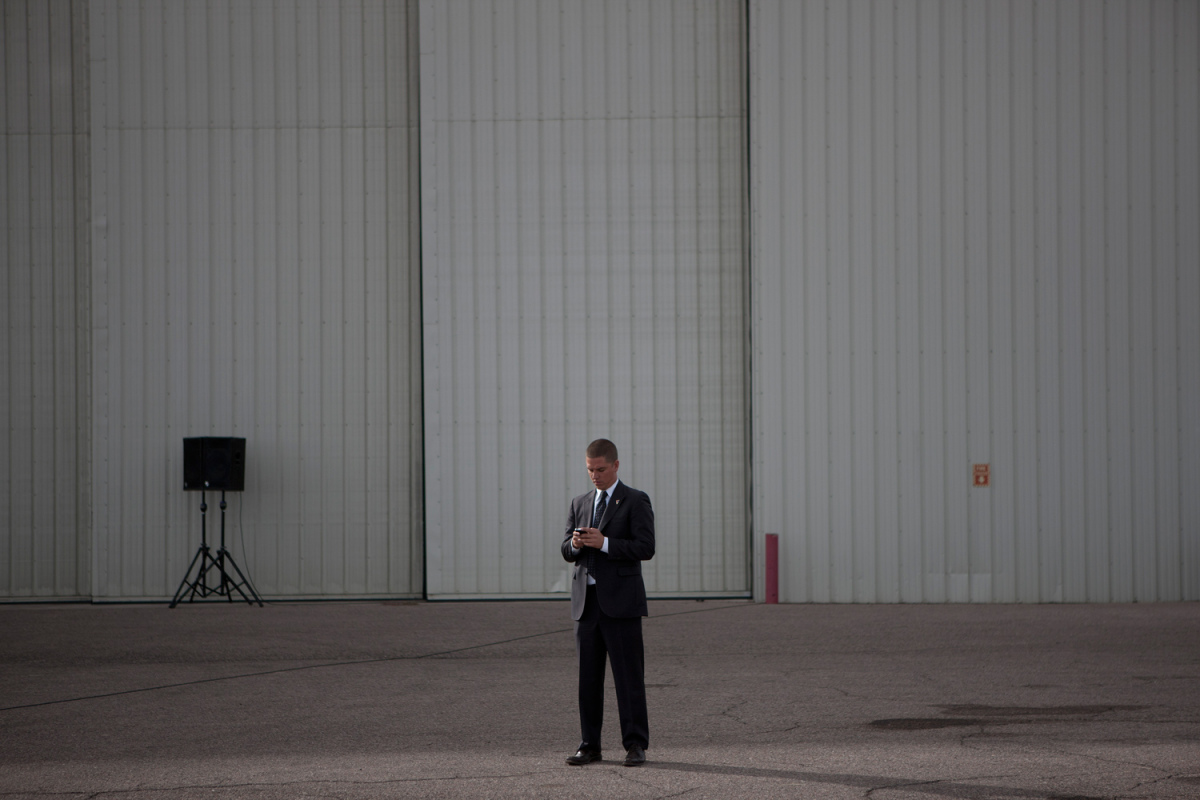
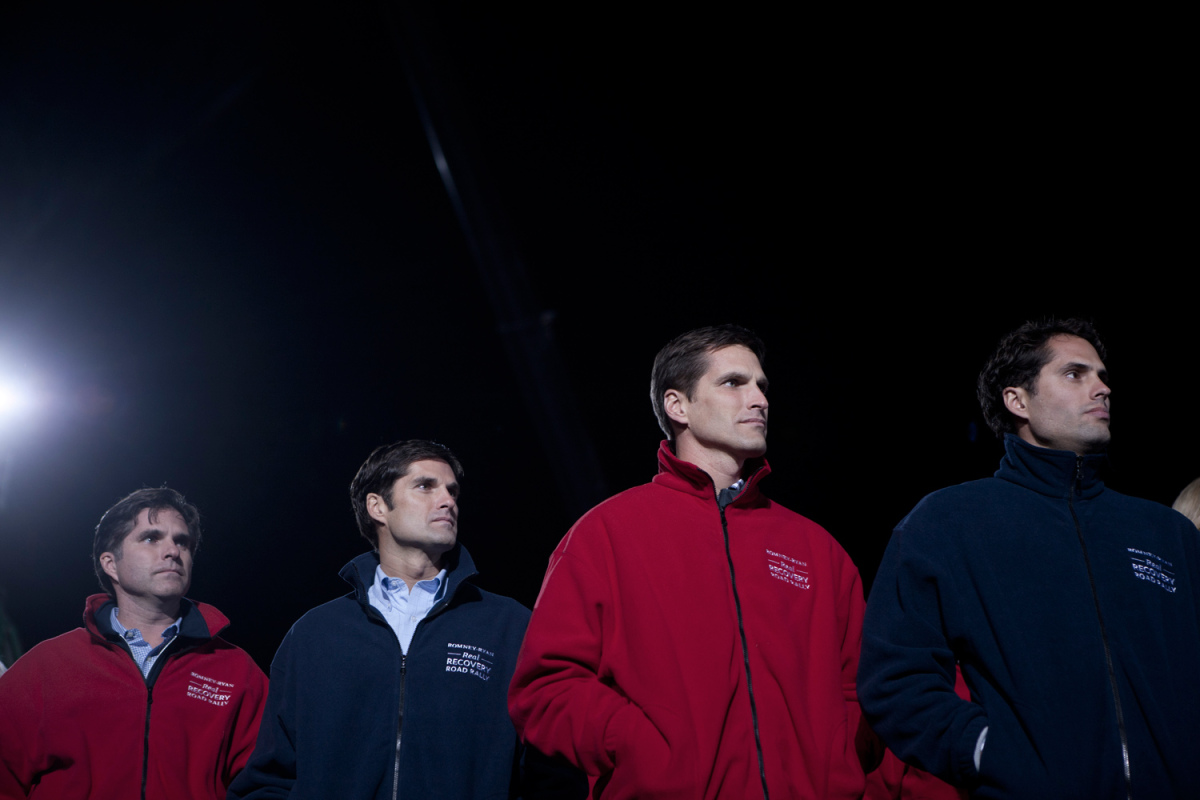
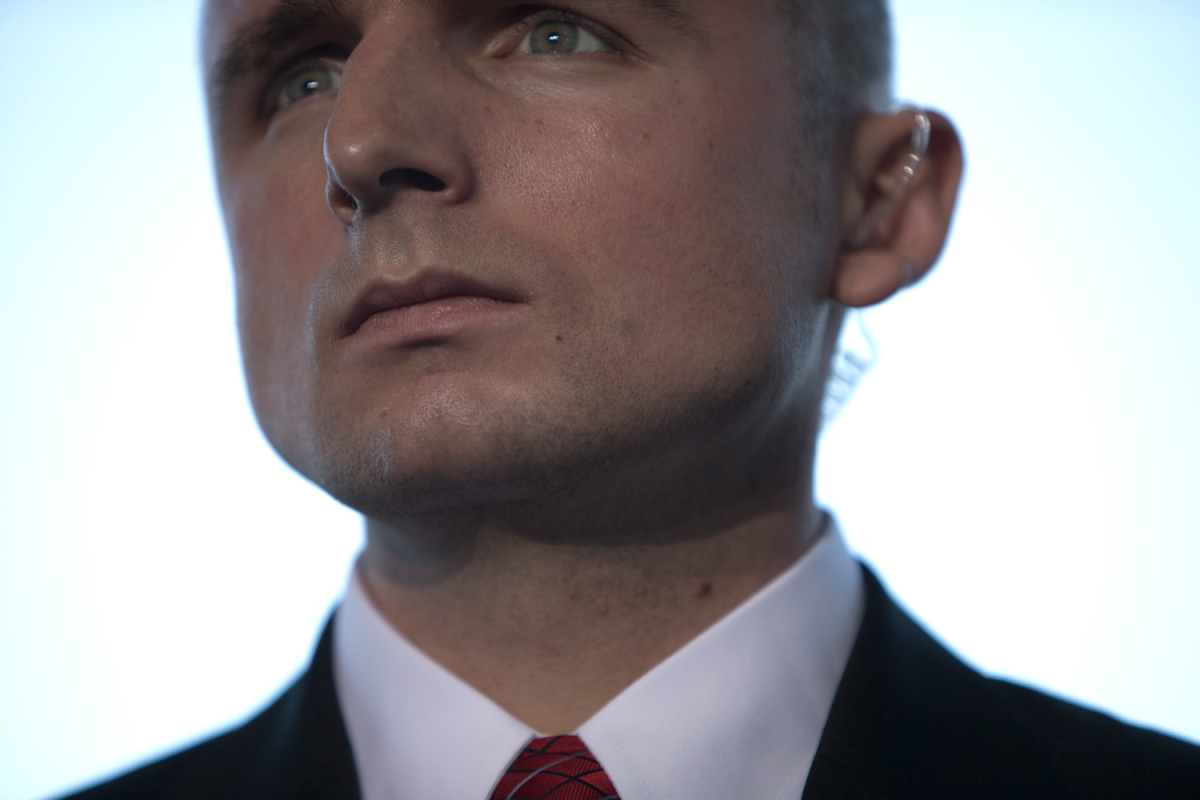
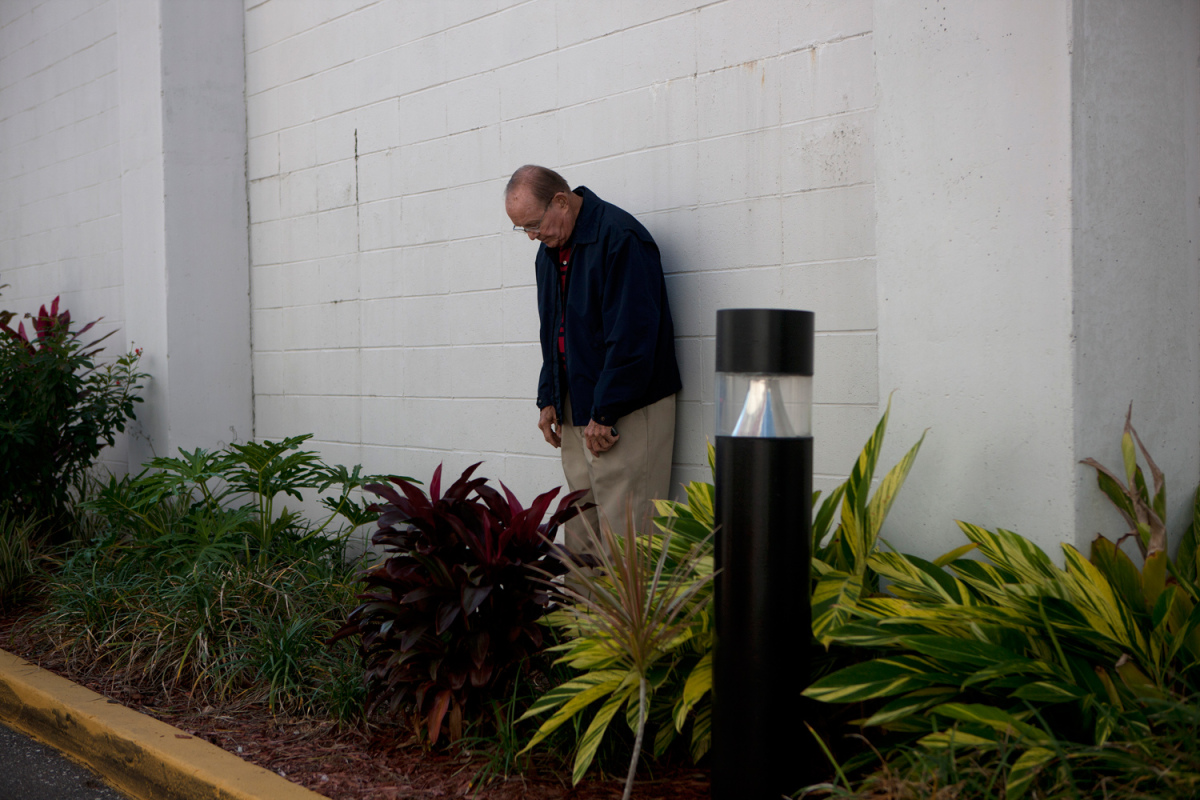
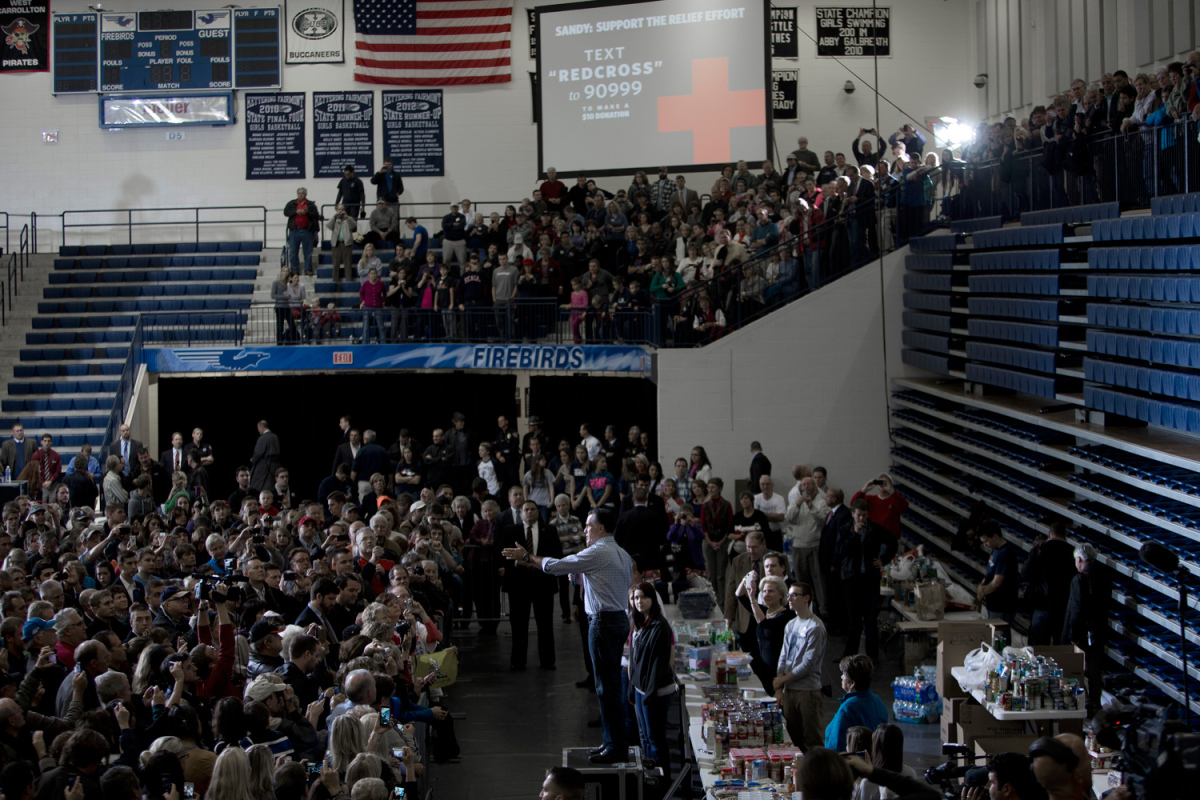
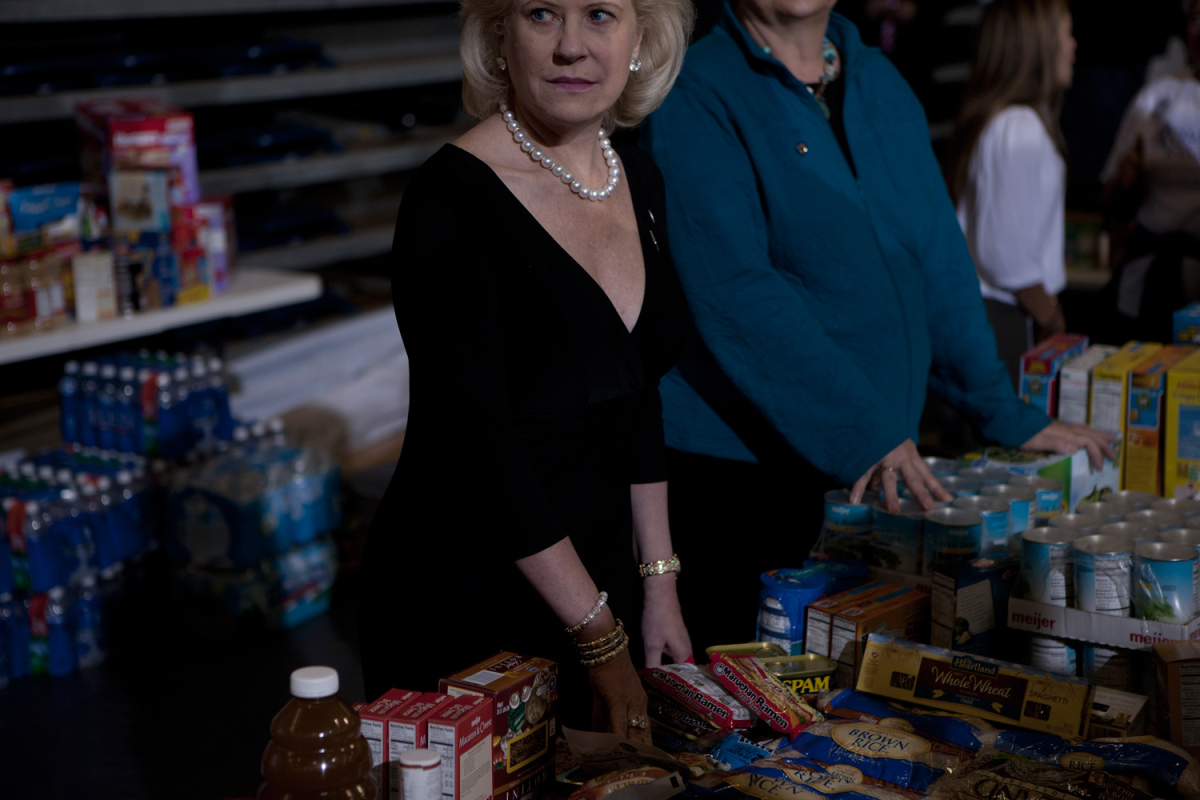
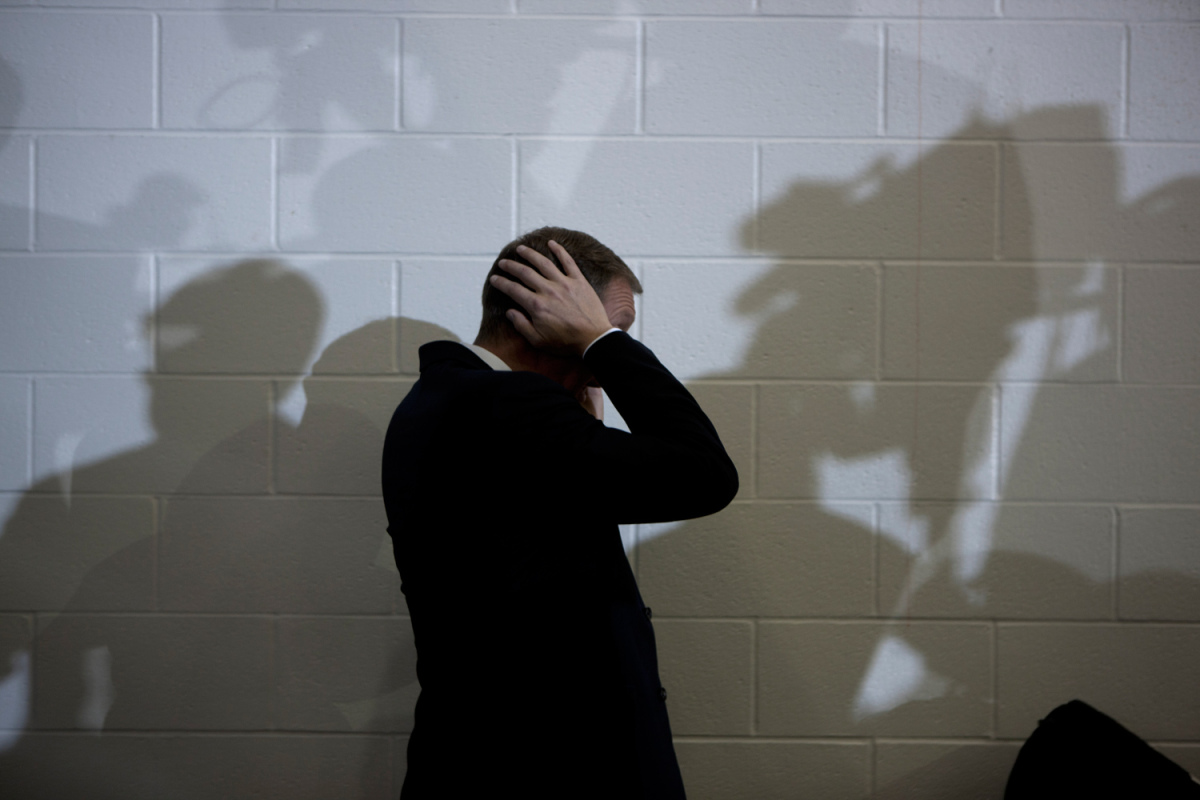
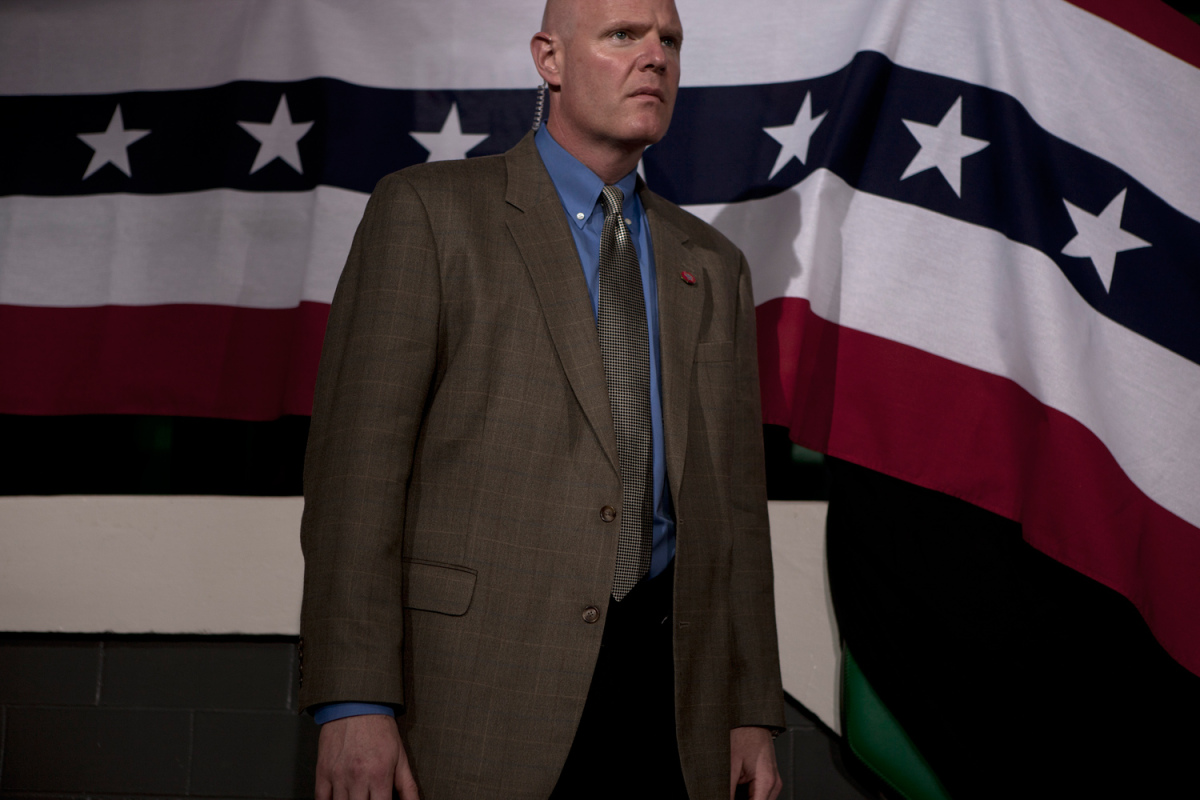
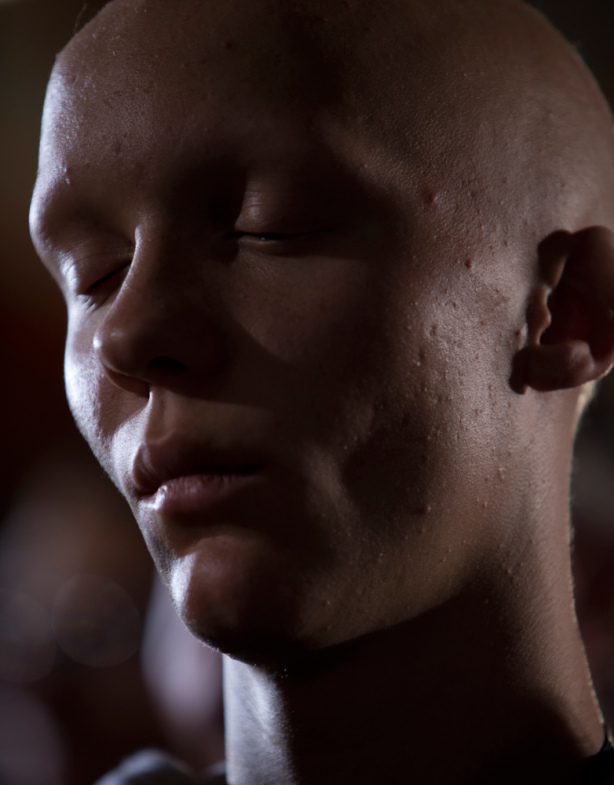
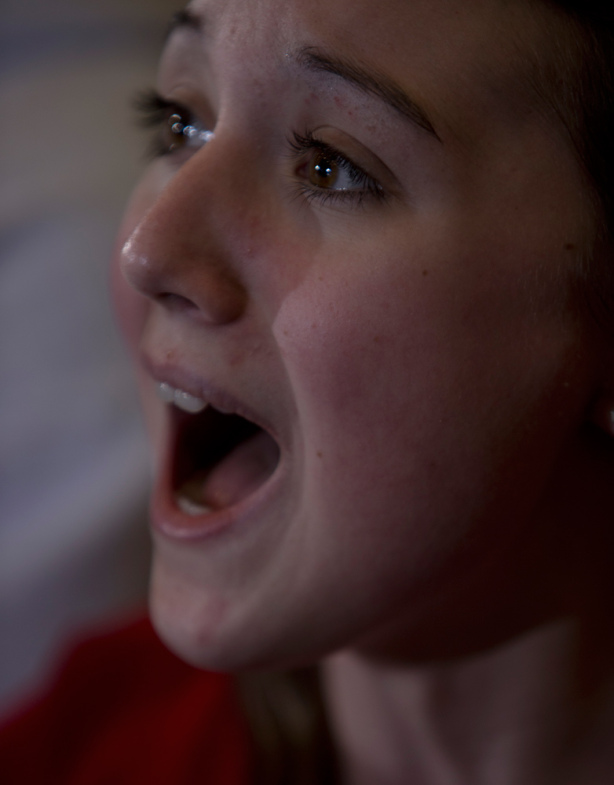
Christopher Morris—VII for TIMENov. 5, 2012. A bus at a campaign stop in Fairfax, Va. Christopher Morris—VII for TIMENov. 5, 2012. One day before the election, former Massachusetts Gov. Mitt Romney campaigns in Sanford, Fla. Christopher Morris—VII for TIMENov. 4, 2012. Bystanders at a Romney campaign stop in Cleveland, Ohio. Christopher Morris—VII for TIMENov. 4, 2012. A news correspondent at a Romney campaign event in Cleveland, Ohio. Christopher Morris—VII for TIMENov. 4, 2012. Audio-video preparation at a venue in Des Moines, Iowa. Christopher Morris—VII for TIMENov. 3, 2012. Secret Service at a Romney campaign in Colorado Springs, Colo.Christopher Morris—VII for TIMENov. 3, 2012. Romney campaigning in Portsmouth, N.H.Christopher Morris—VII for TIMENov. 4, 2012. At a Romney campaign stop in Cleveland, Ohio. Christopher Morris—VII for TIMENov. 2, 2012. Romney campaigns in West Allis, Wis.Christopher Morris—VII for TIMENov. 2, 2012. Faces in the crowd at a Romney campaign stop in West Allis, Wis.Christopher Morris—VII for TIMENov. 2, 2012. Listening to Romney speak at an event in Pataskala, Ohio. Christopher Morris—VII for TIMENov. 2, 2012. Faces in the crowd at a stop in West Chester, Ohio. Christopher Morris—VII for TIMENov. 2, 2012. Faces in the crowd in West Allis, Wis.Christopher Morris—VII for TIMENov. 2, 2012. Romney's sons (from left) Tagg, Matt, Josh and Craig watch their father in West Chester, Ohio. Christopher Morris—VII for TIMEOct. 31, 2012. Security at a rally in Tampa. Christopher Morris—VII for TIMEOct. 31, 2012. An onlooker at a Romney campaign stop in Tampa.Christopher Morris—VII for TIMEOct. 31, 2012. Waiting for the candidate to arrive at an event in Tampa, attended by former Florida Gov. Jeb Bush, Senator Rubio and Connie Mack. Christopher Morris—VII for TIMEOct. 30, 2012. Romney addressing the crowd in Kettering, Ohio. Christopher Morris—VII for TIMEOct. 30, 2012. Supplies donated to the Red Cross at a campaign stop in Kettering, Ohio. Christopher Morris—VII for TIMEOct. 30, 2012. A journalist covering the campaign stop in Kettering, Ohio. Christopher Morris—VII for TIMEOct. 30, 2012. Pausing to use an iPad at a Romney event in Kettering, Ohio. Christopher Morris—VII for TIMEOct. 30, 2012. Carl Cameron, a Fox News correspondent, at a stop in Kettering, Ohio. Christopher Morris—VII for TIMEOct. 28, 2012. Romney and Ryan address the crowd in Celina, Ohio. Christopher Morris—VII for TIMEOct. 28, 2012. In Findley, Ohio, a wide range of ages came out to hear Romney and Ryan speak. Christopher Morris—VII for TIMEOct. 28, 2012. A Romney security detail at a Celina, Ohio rally. Christopher Morris—VII for TIMEOct. 28, 2012. Faces in the crowd in Marion, Ohio.
Christopher Morris—VII for TIMEOct. 28, 2012. Faces in the crowd in Marion, Ohio.
Christopher Morris—VII for TIMEOct. 26, 2012. Before a Romney-Ryan rally in Canton, Ohio.
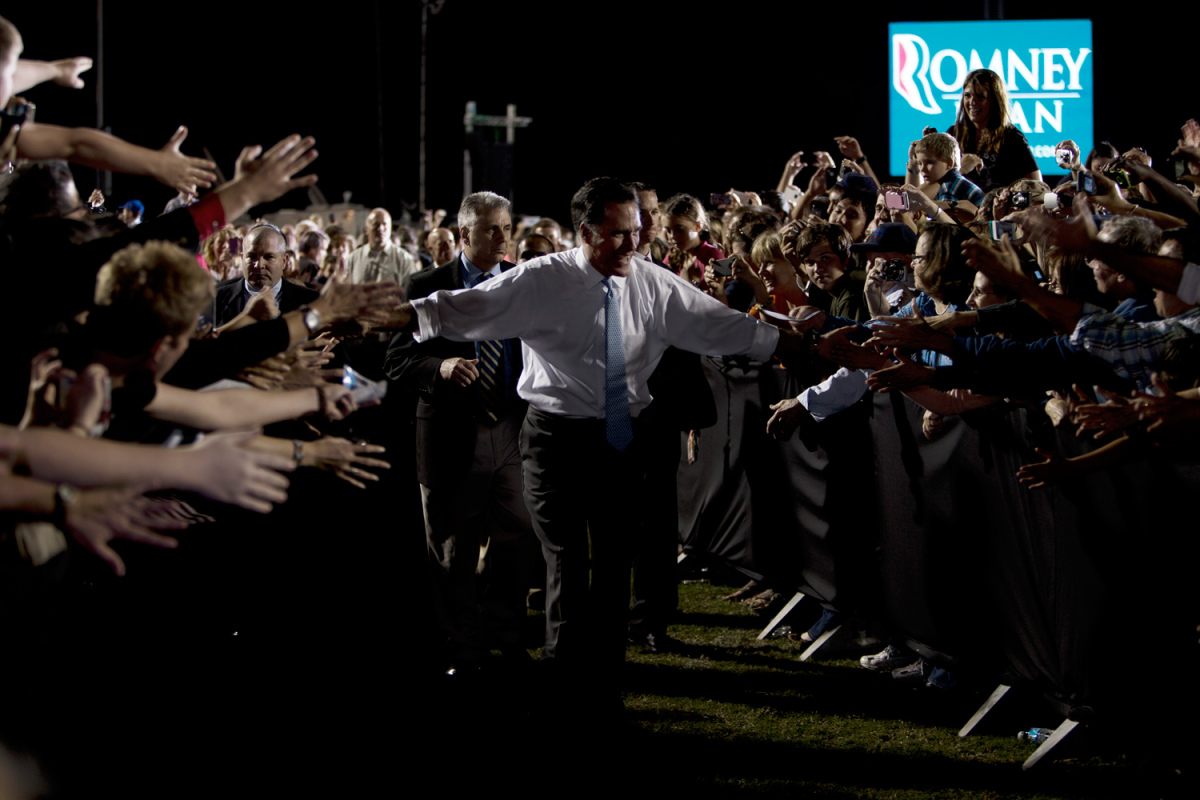
Christopher Morris—VII for TIMEOct. 28, 2012. Romney speaking in Findley, Ohio. Christopher Morris—VII for TIMEOct. 28, 2012. Faces in the crowd in Findley, Ohio. Christopher Morris—VII for TIMEOct. 28, 2012. Romney speaking in Marion, Ohio, nine days before the Presidential election. Christopher Morris—VII for TIMEOct. 27, 2012. Romney supporters in Land O' Lakes, Fla. stretched to high-five Romney as he left the rally. Christopher Morris—VII for TIMEOct. 27, 2012. Faces in the crowd during the rally in Land O’ Lakes, Fla. Christopher Morris—VII for TIMEOct. 26, 2012. Faces in the crowd at the Romney-Ryan rally in Canton, Ohio.
Christopher Morris—VII for TIMEOct. 26, 2012. Faces in the crowd at the Romney-Ryan rally in Canton, Ohio.
Christopher Morris—VII for TIME
“I believe that one of our next generation of Republican leaders, one who may not be as well known as I am today, one who has not yet taken their message across the country, one who is just getting started, may well emerge as being better able to defeat the Democrat nominee,” he said. “In fact, I expect and hope that to be the case.”
“You can’t imagine how hard it is for Ann and me to step aside, especially knowing of your support and the support of so many people across the country,” he said. “But we believe it is for the best of the Party and the nation.”
Romney, who met privately in Utah last week with former Florida Gov. Jeb Bush, is not expected to endorse a candidate in the already crowded GOP field.
On the call Romney said it was “unlikely” he would reconsider his decision to step aside, and freed his donors and supporters to work for other candidates. “Please feel free to sign up on a campaign for a person who you believe may become our best nominee,” Romney said. Many Romney aides and donors had already sought out work with other contenders. Just Thursday, David Kochel, Romney’s Iowa strategist, signed on with Jeb Bush’s campaign.
He delivered the prepared statement in an even tone on a four-minute call with supporters and donors, ending his remarks with the words “Bye bye.” An aide said Romney wrote the remarks, in which he thanked supporters for their patriotism, himself.
In a statement following the call, Bush praised Romney as a “patriot” and a leader of the GOP. “Though I’m sure today’s decision was not easy, I know that Mitt Romney will never stop advocating for renewing America’s promise through upward mobility, encouraging free enterprise and strengthening our national defense,” he said. “Mitt is a patriot and I join many in hoping his days of serving our nation and our party are not over. I look forward to working with him to ensure all Americans have a chance to rise up.”
Growing Up Romney: Mitt's Early World
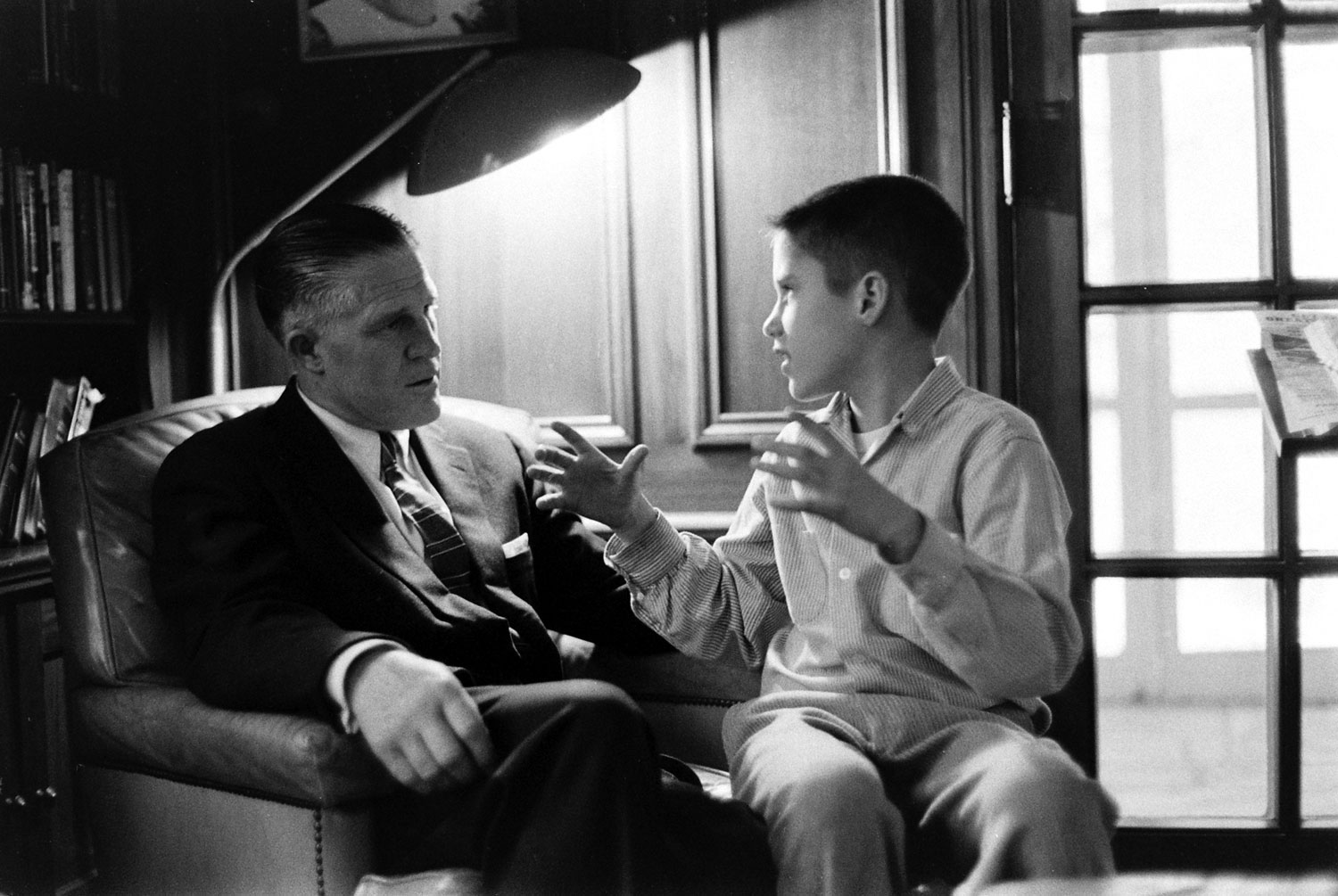
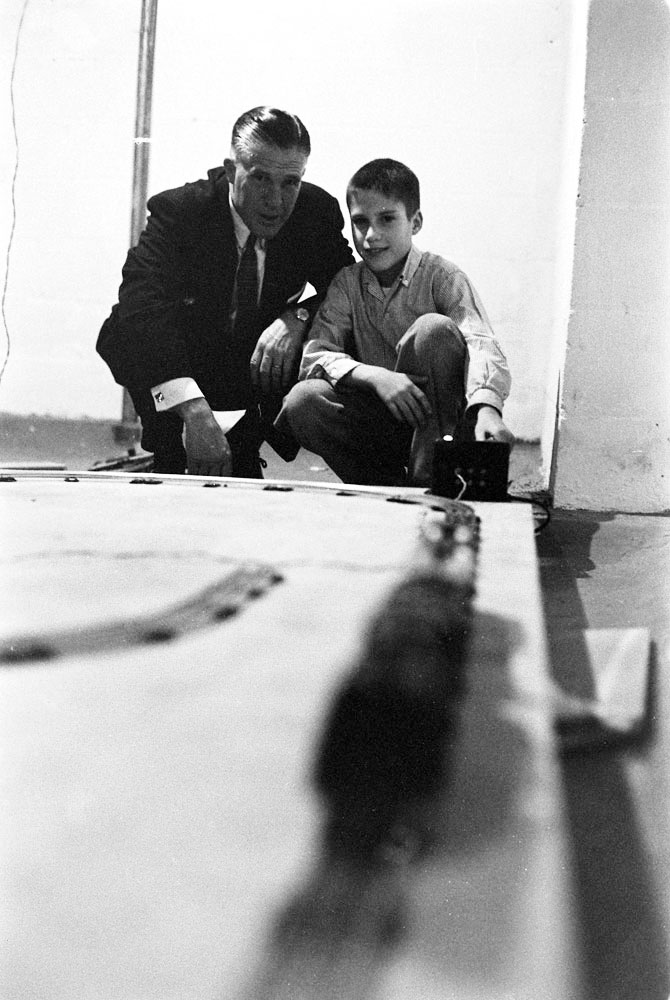
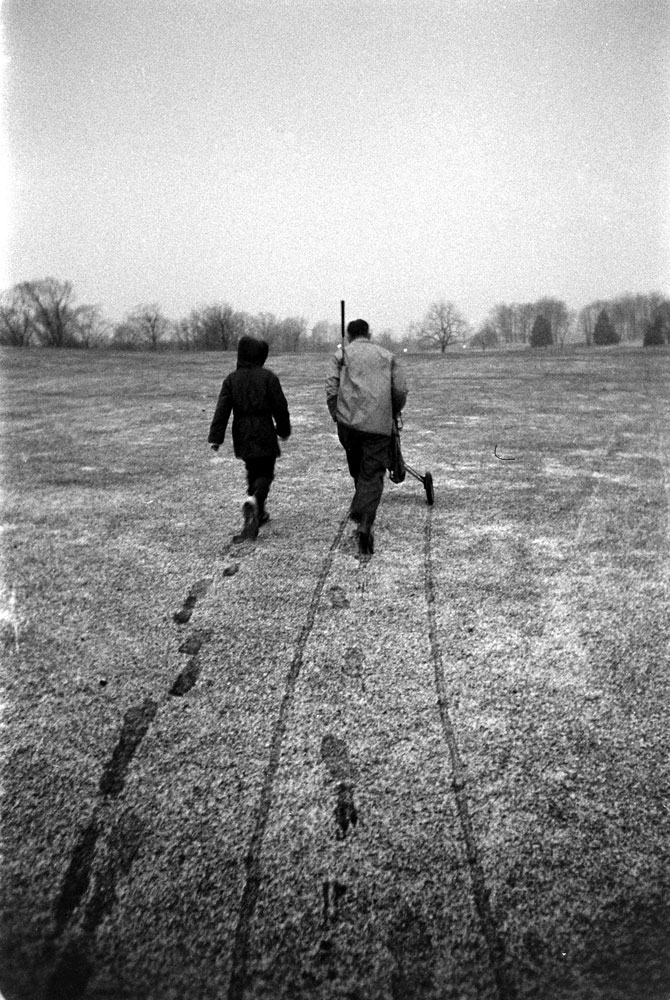
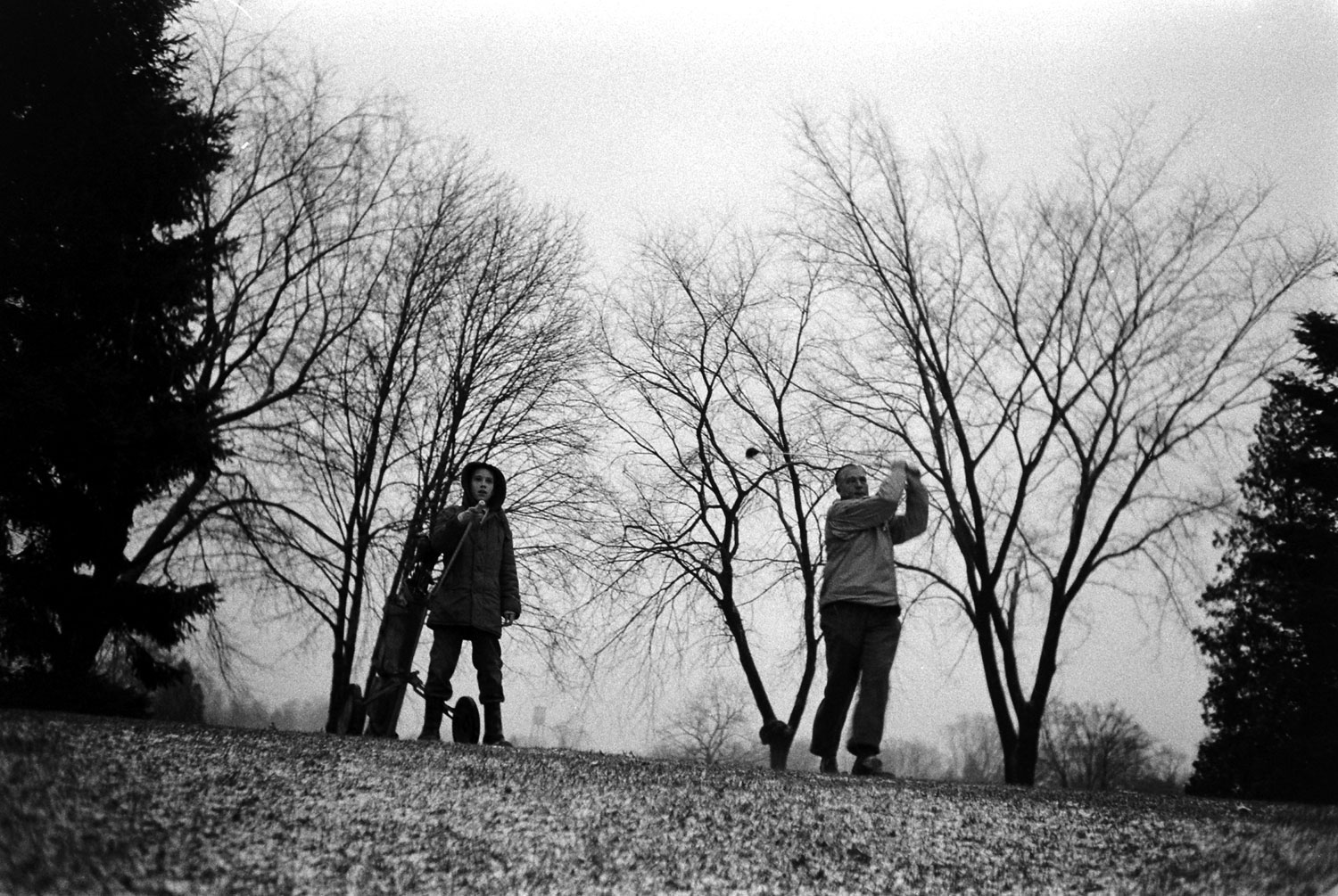
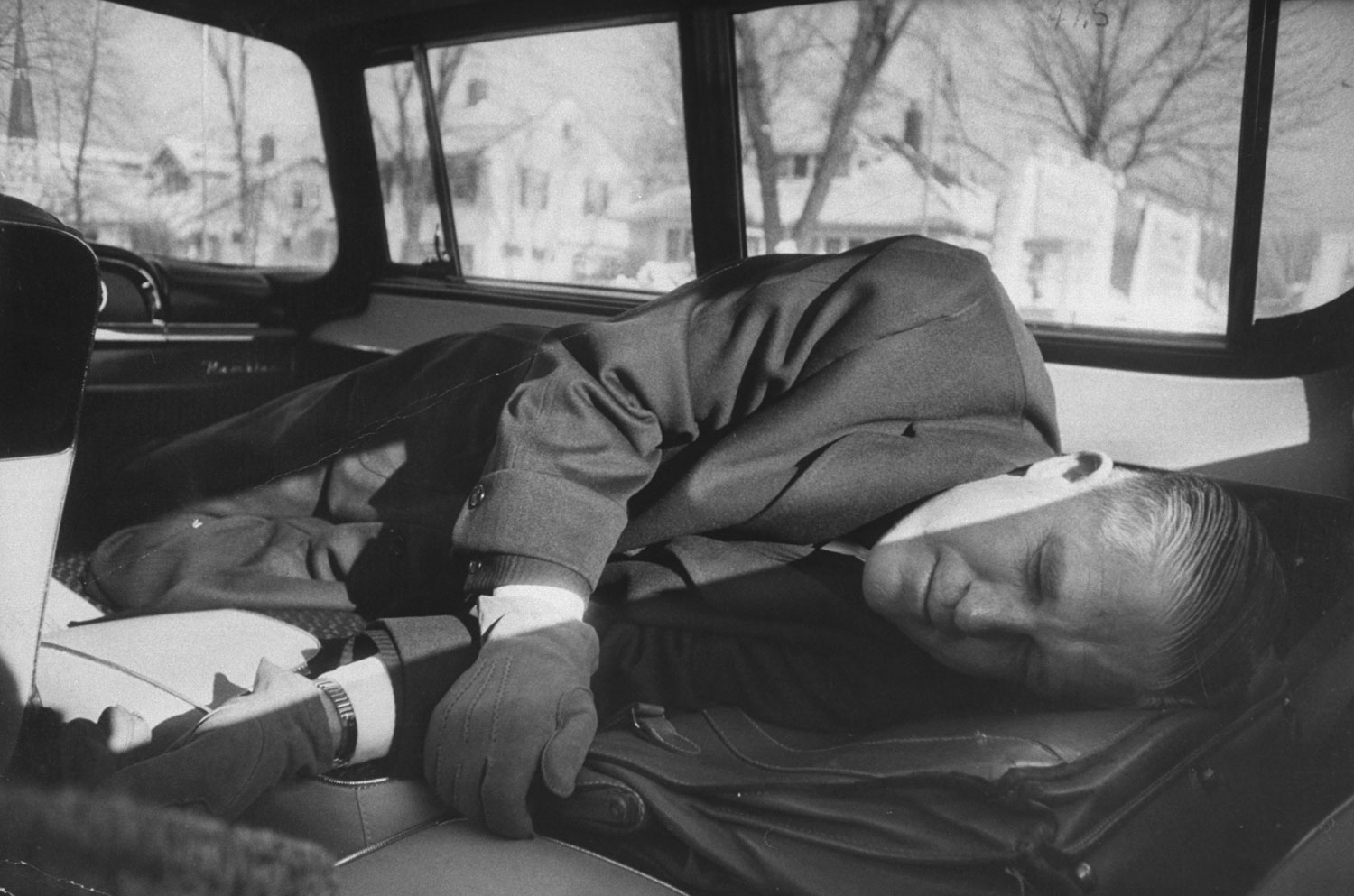
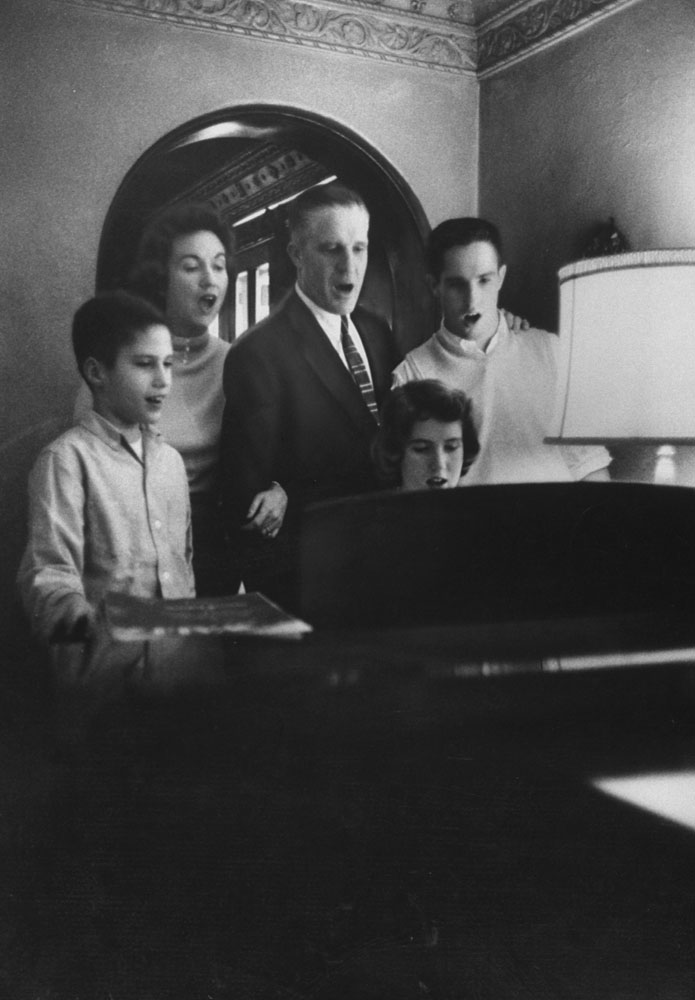
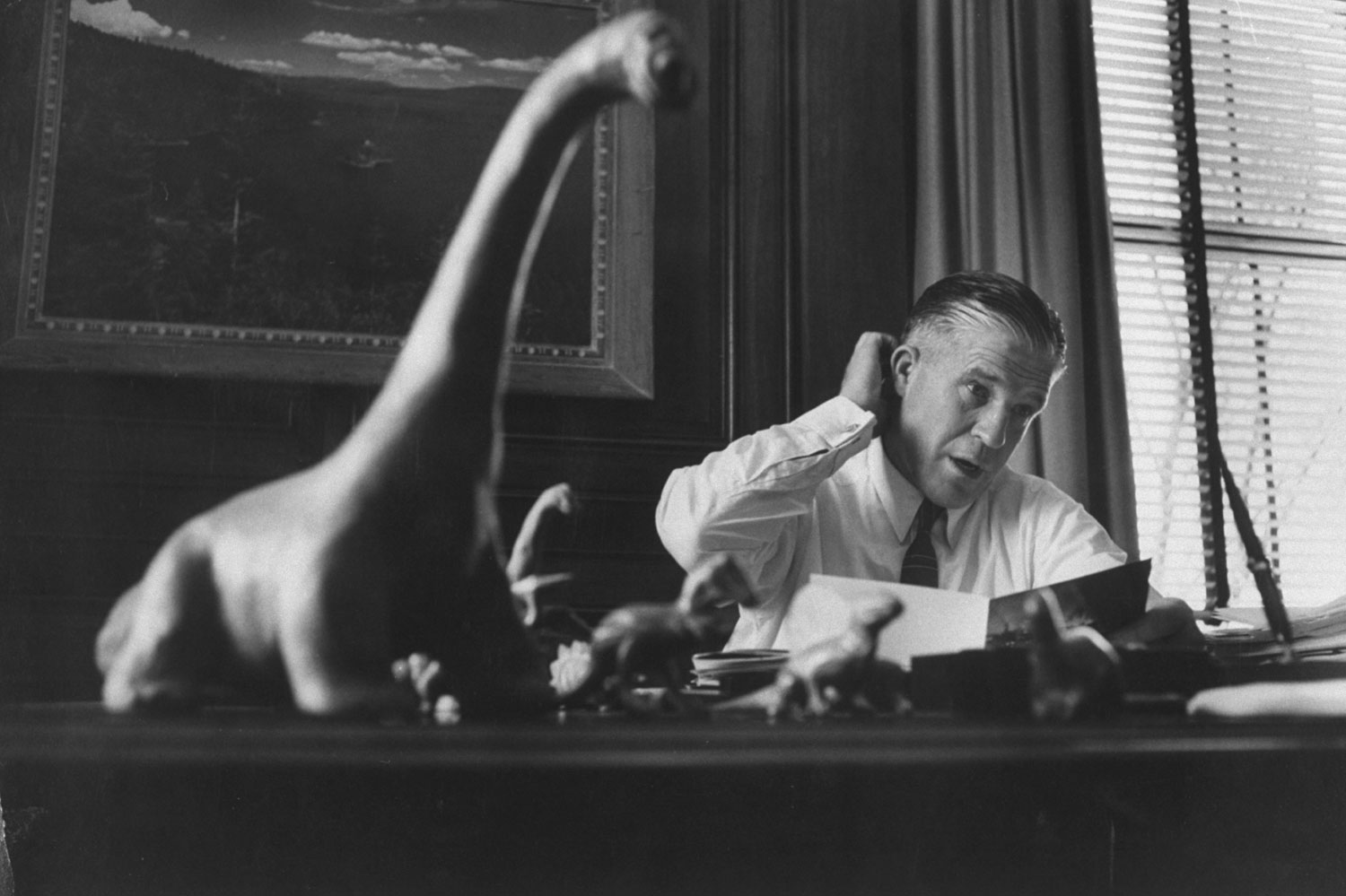
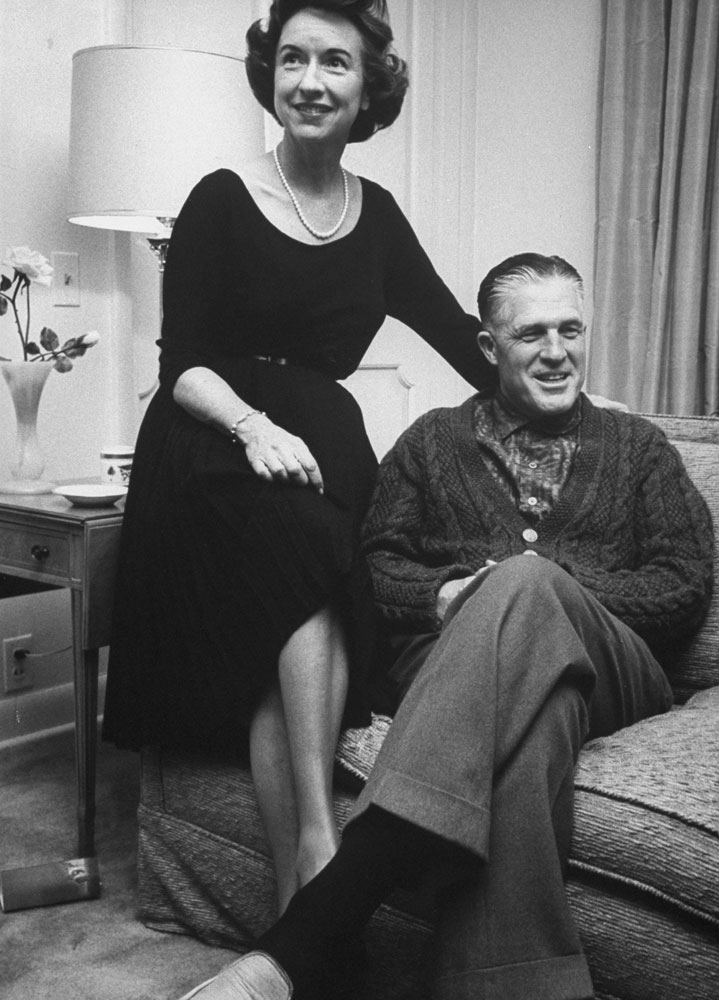
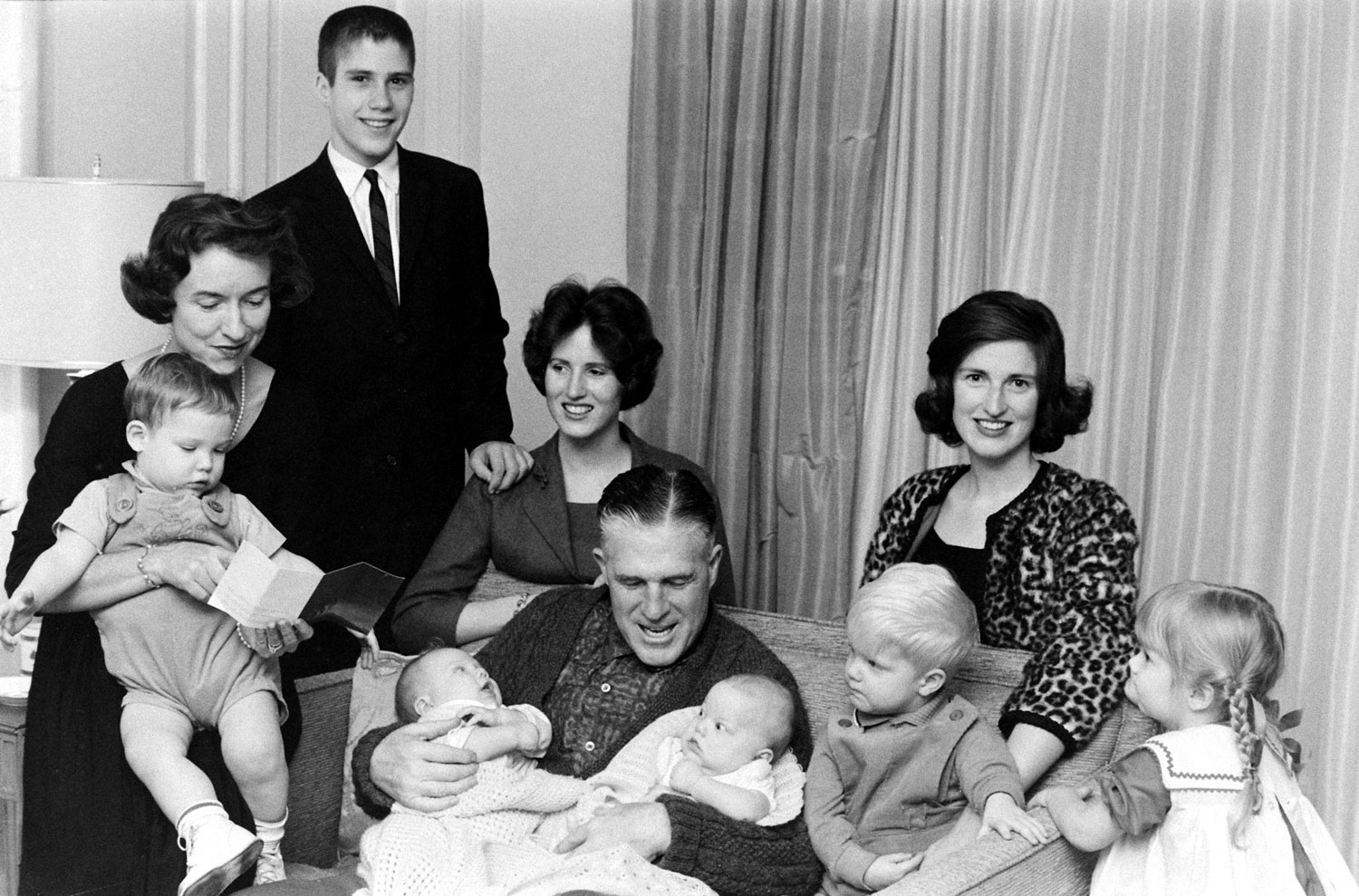
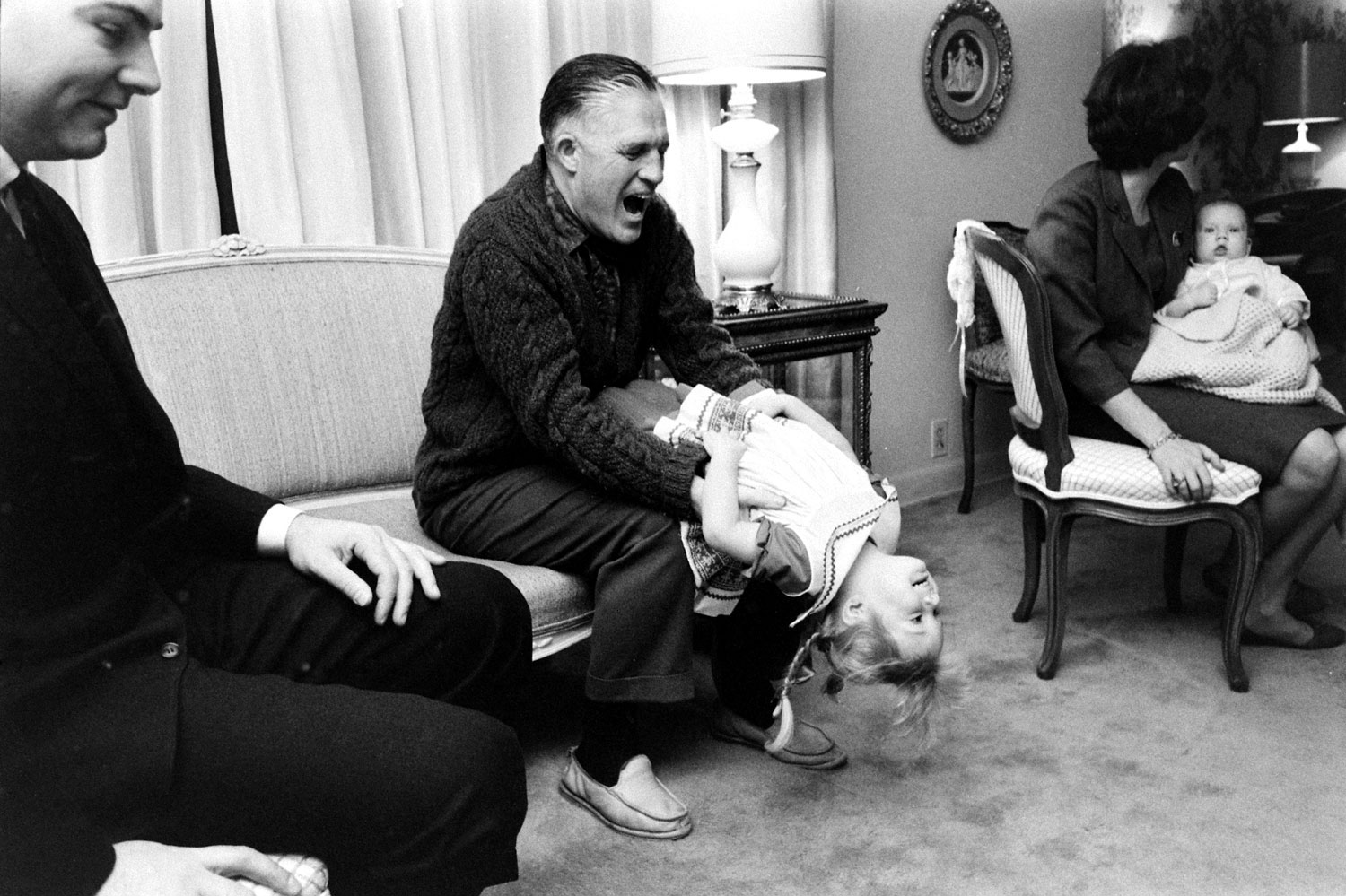
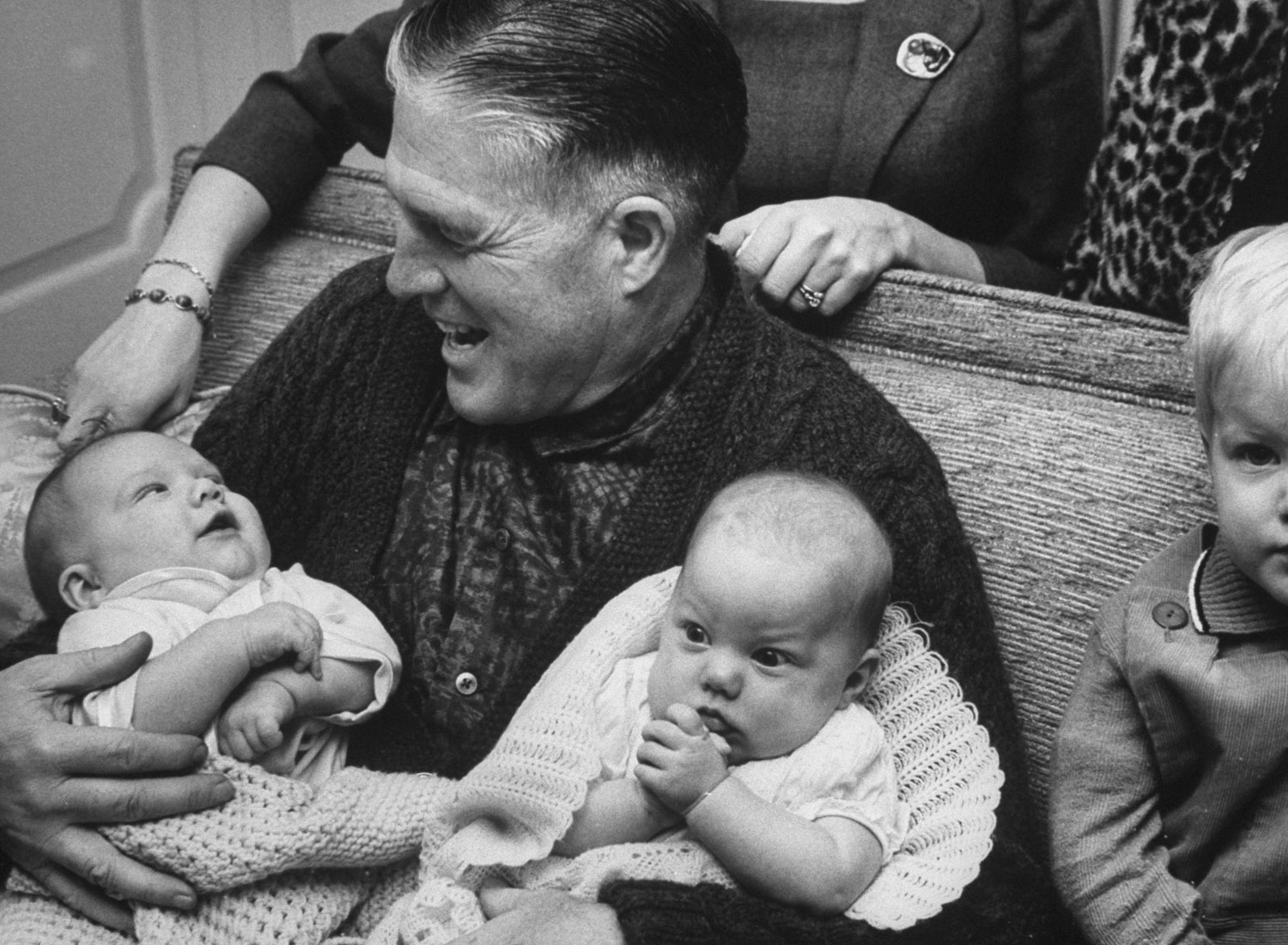
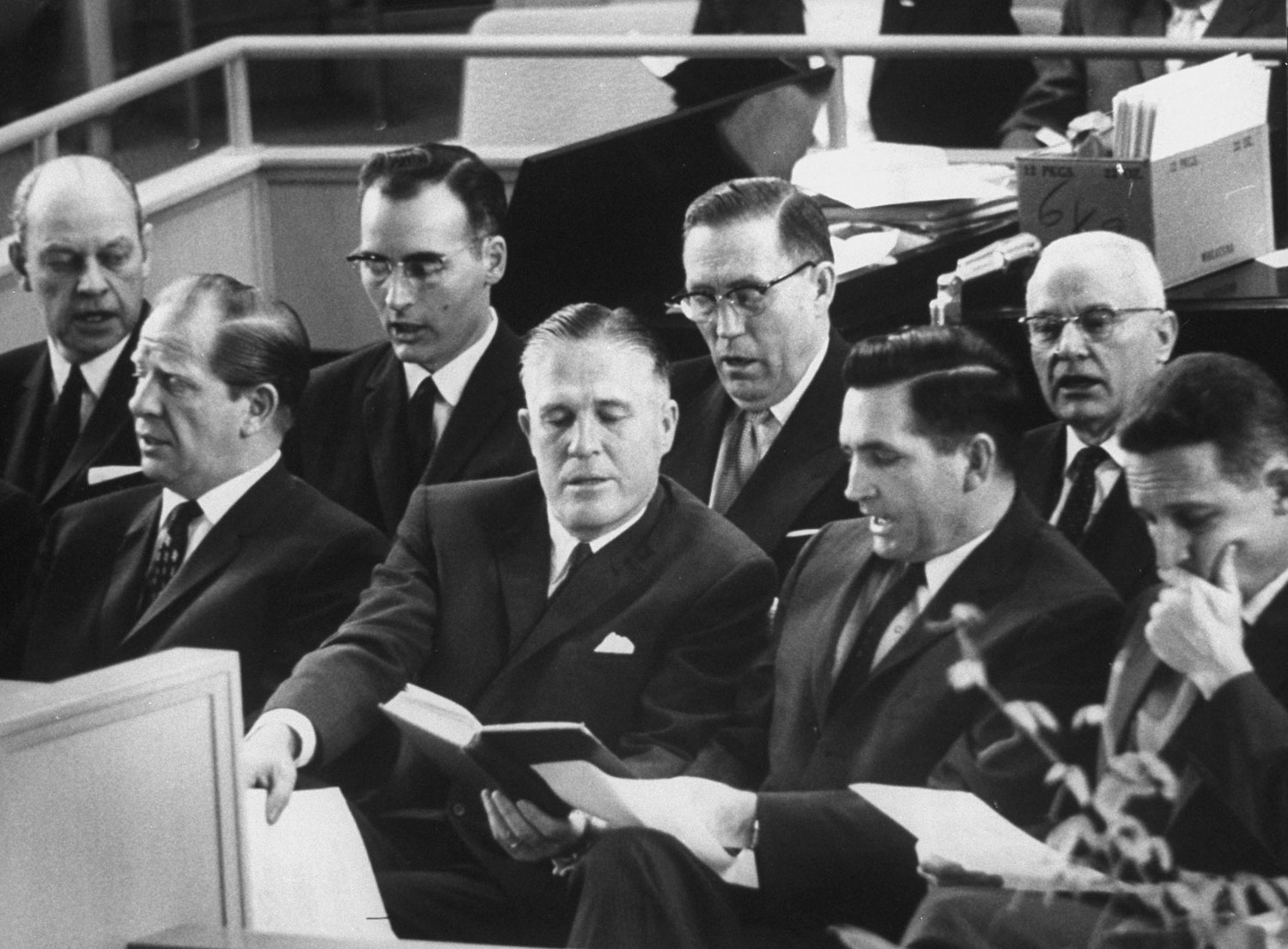
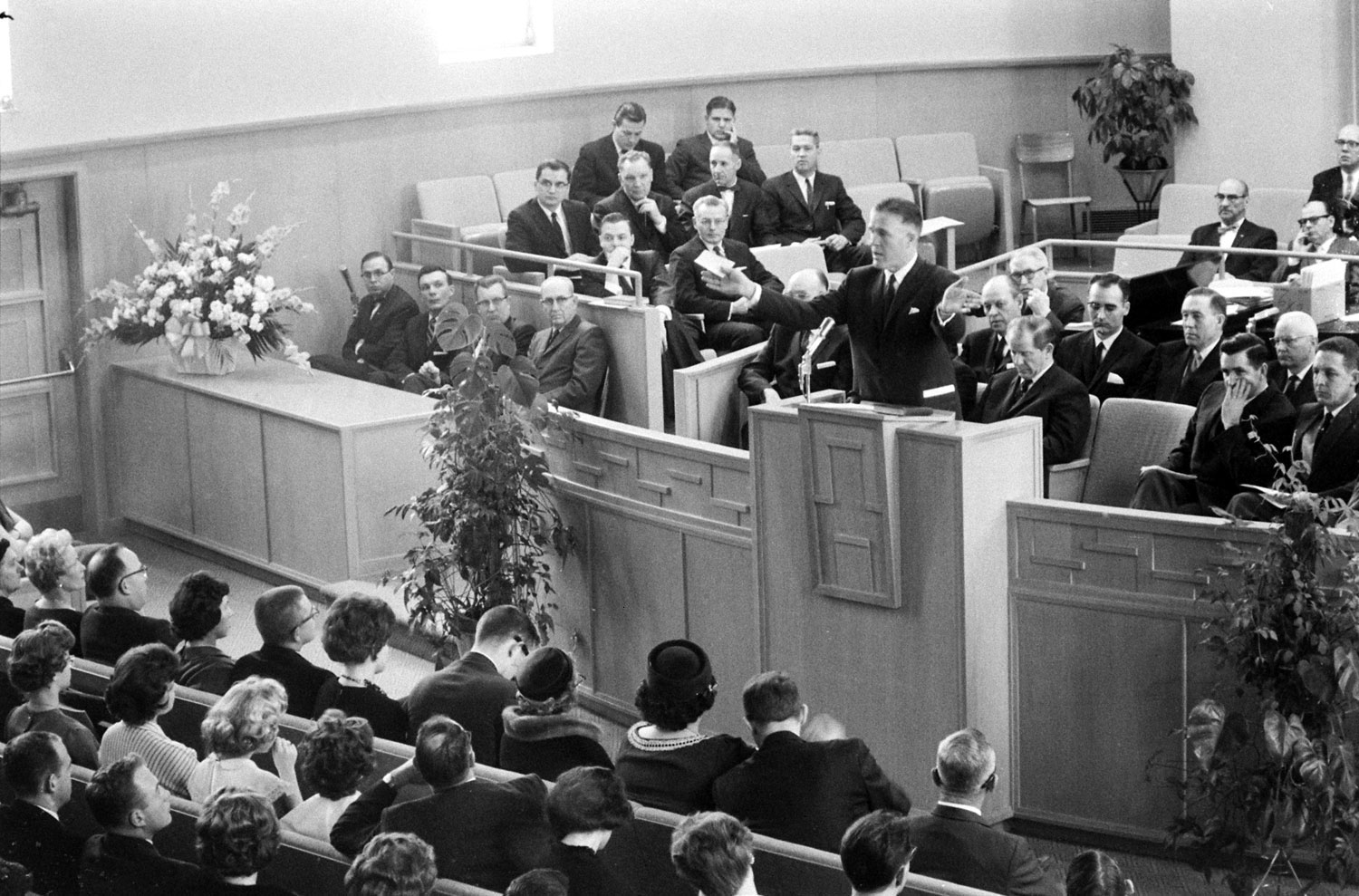
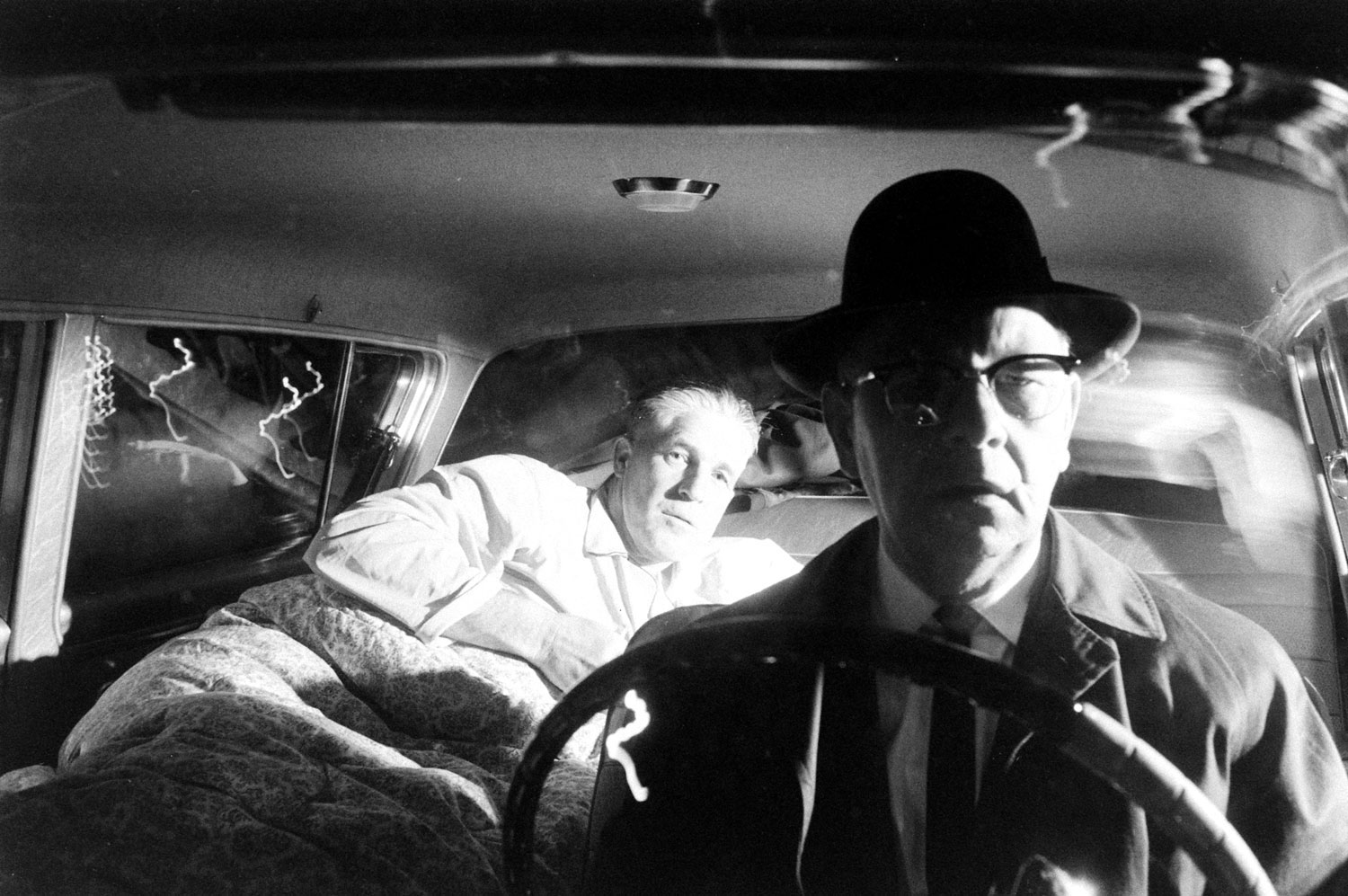
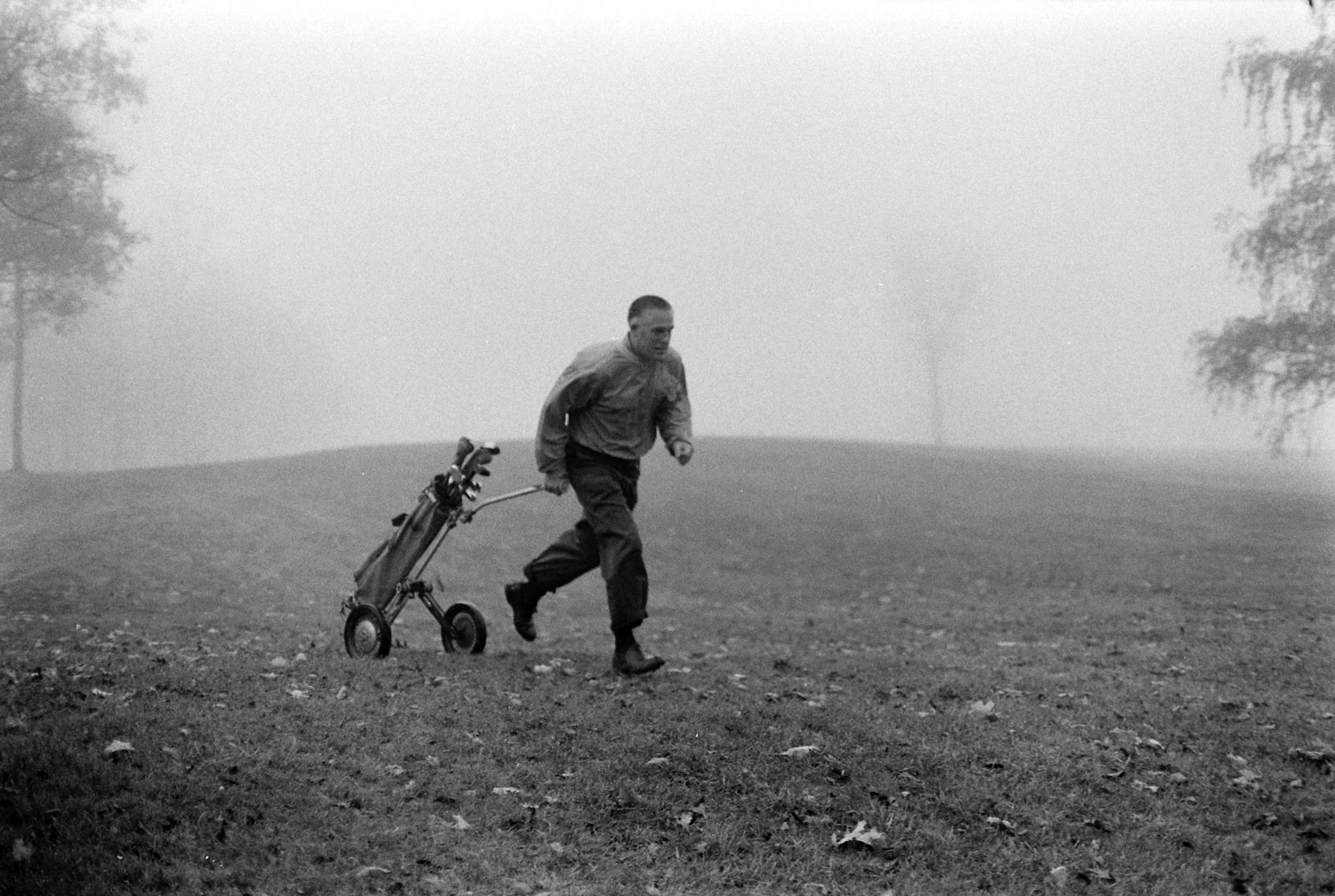
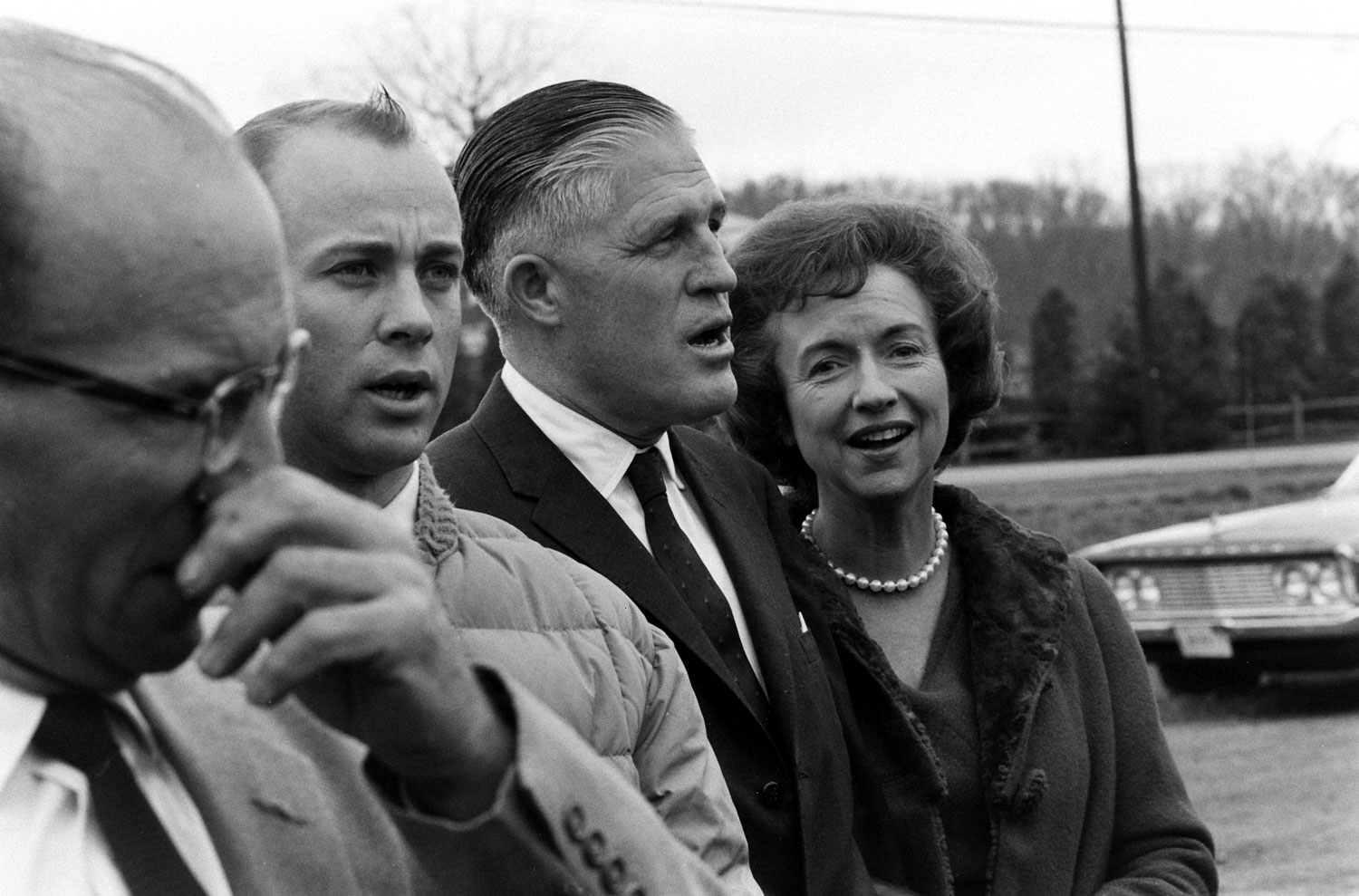
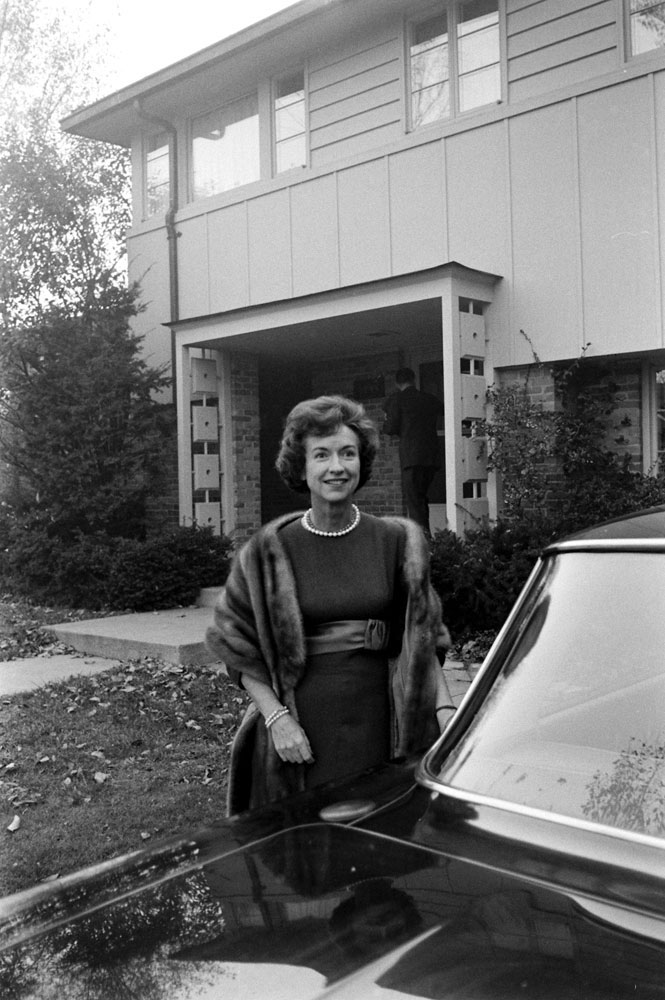
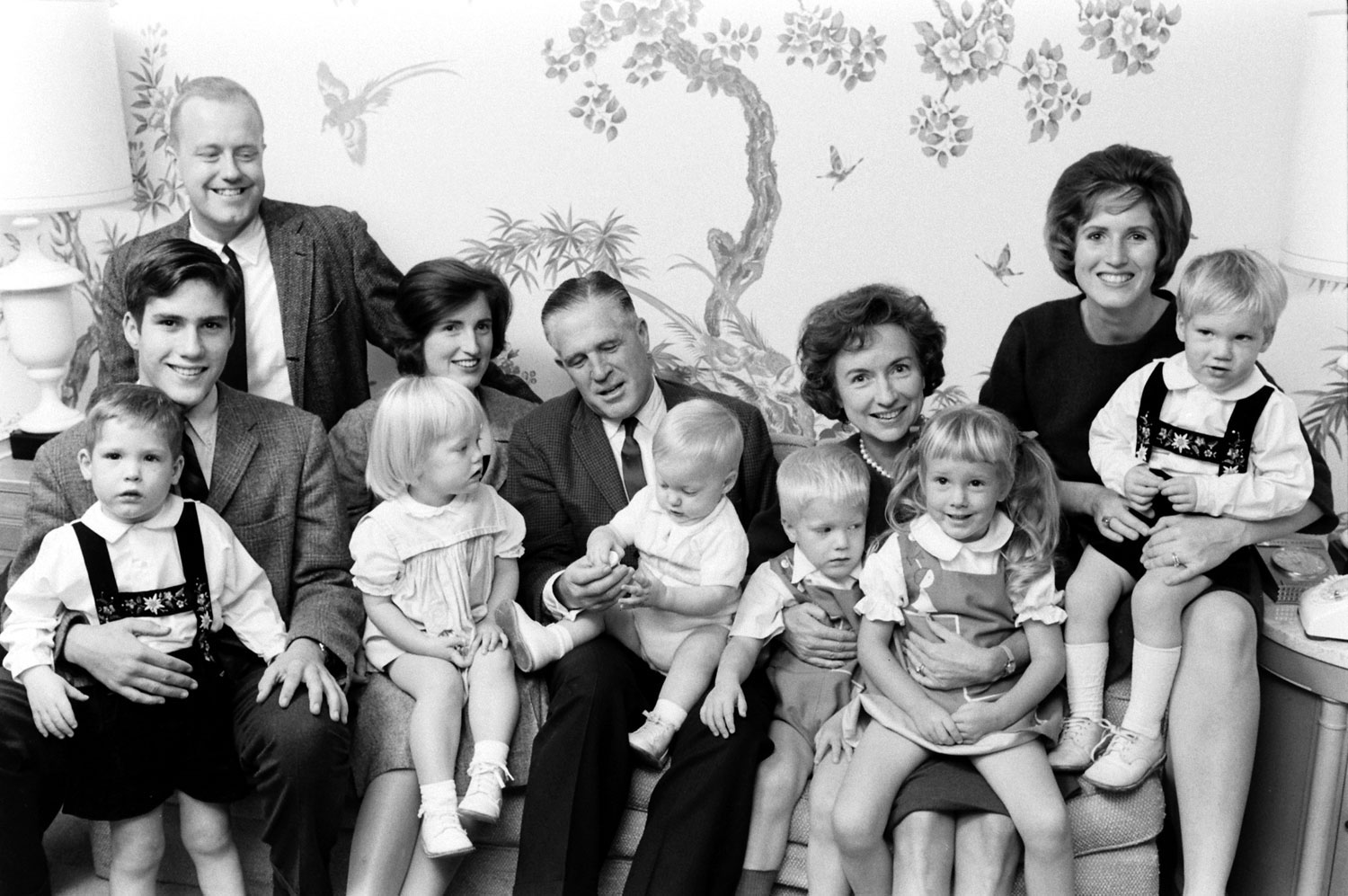
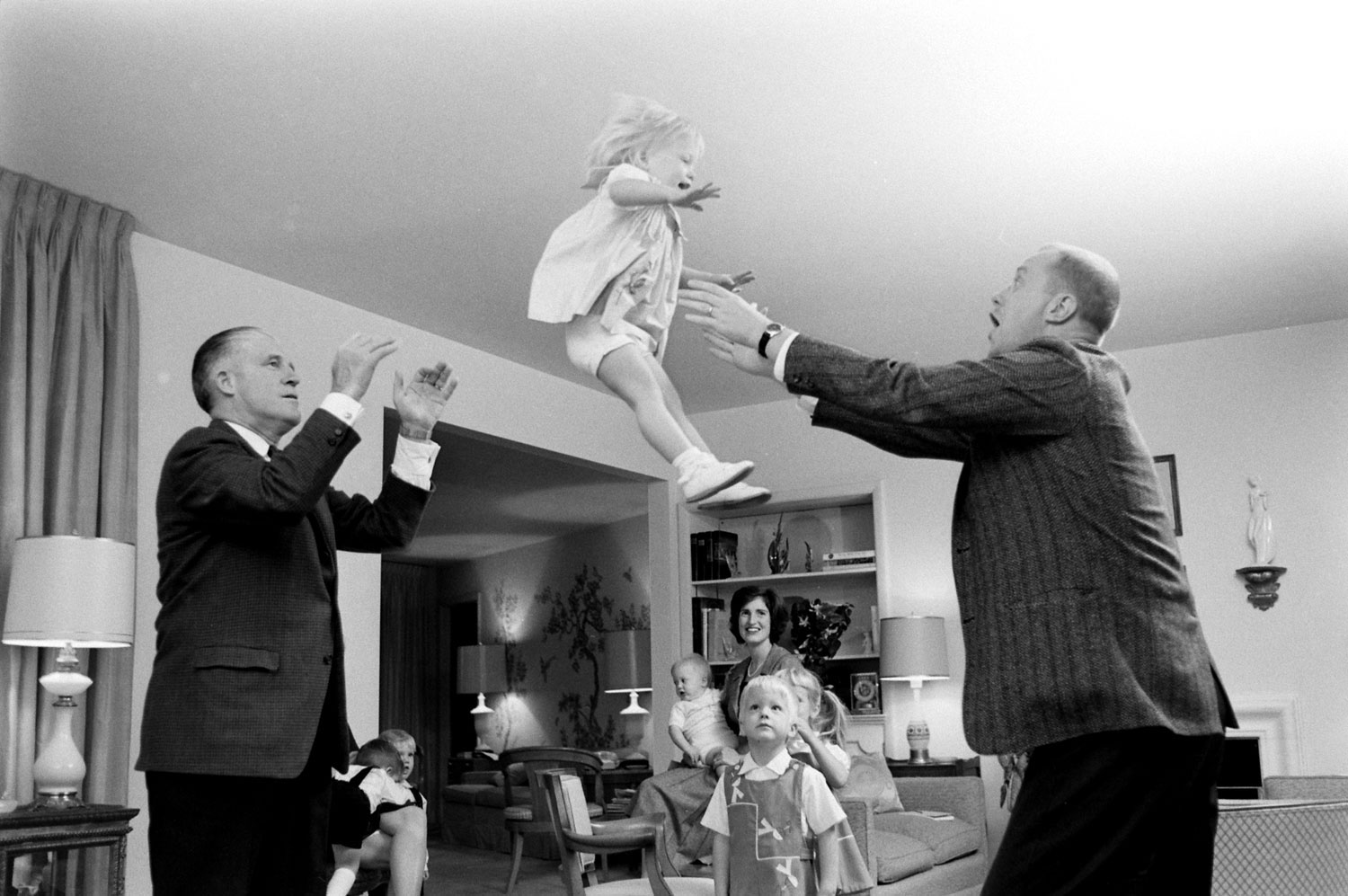
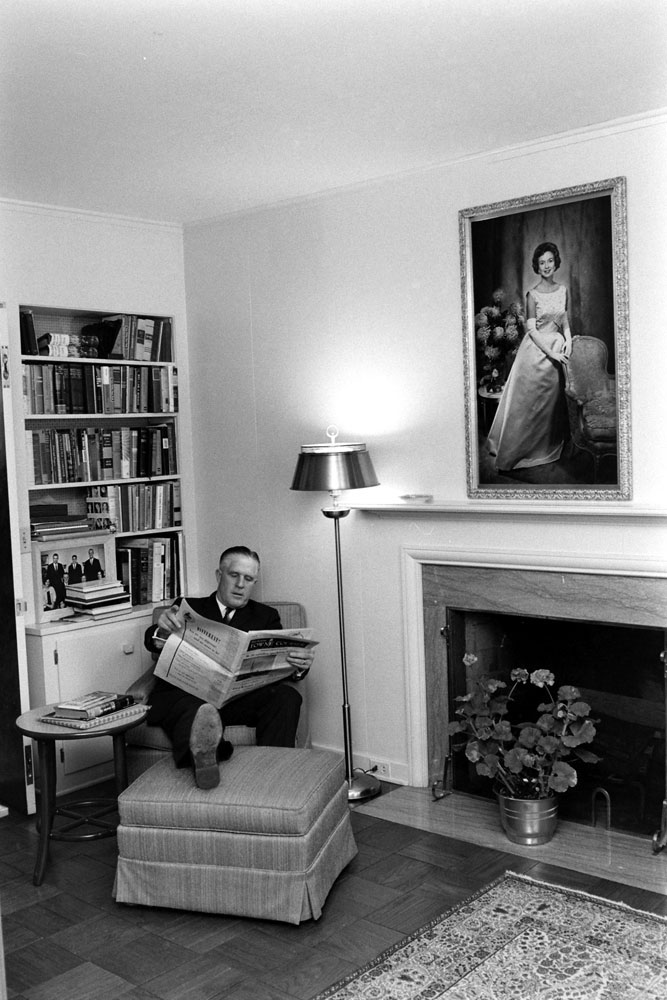
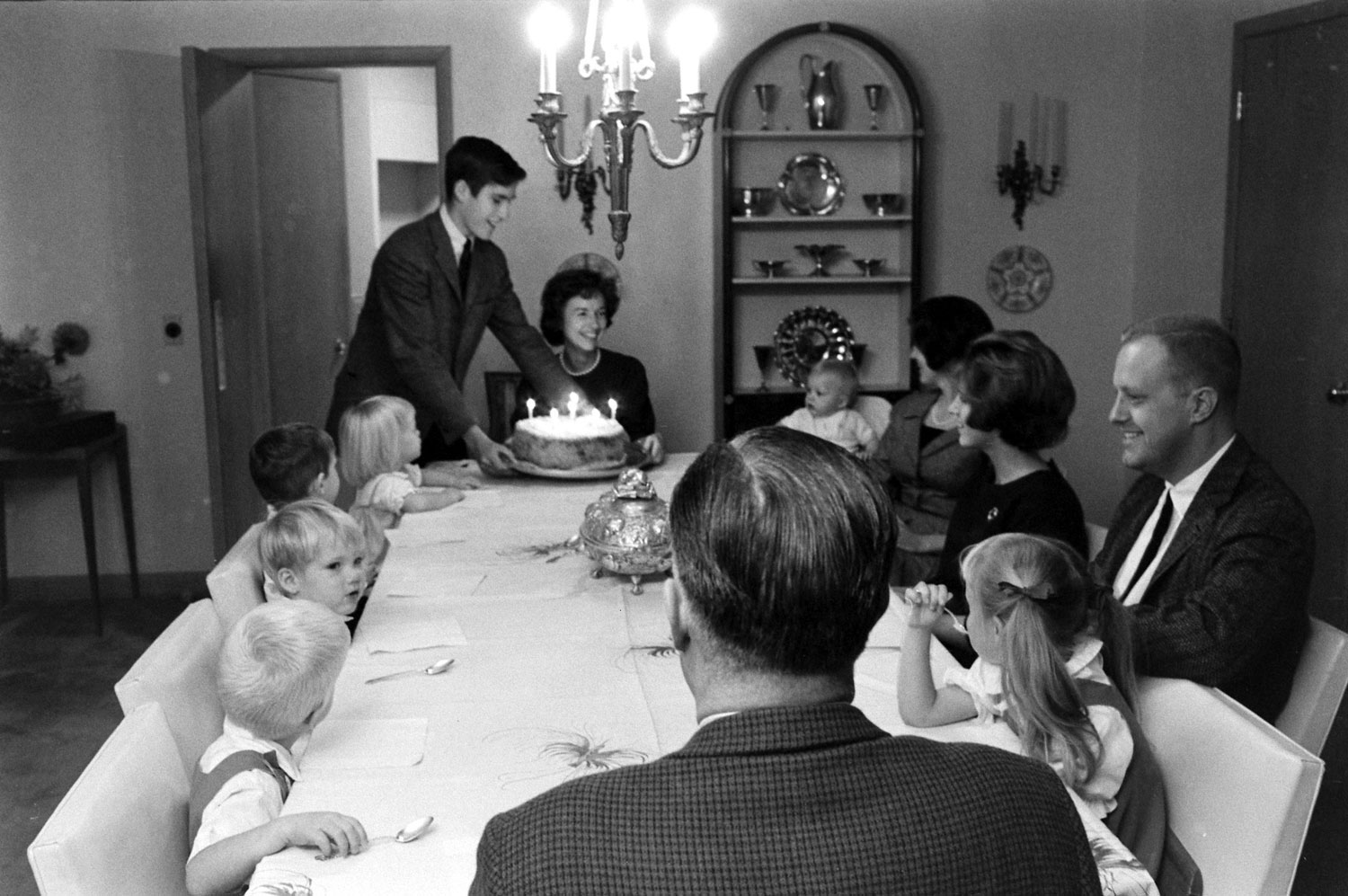
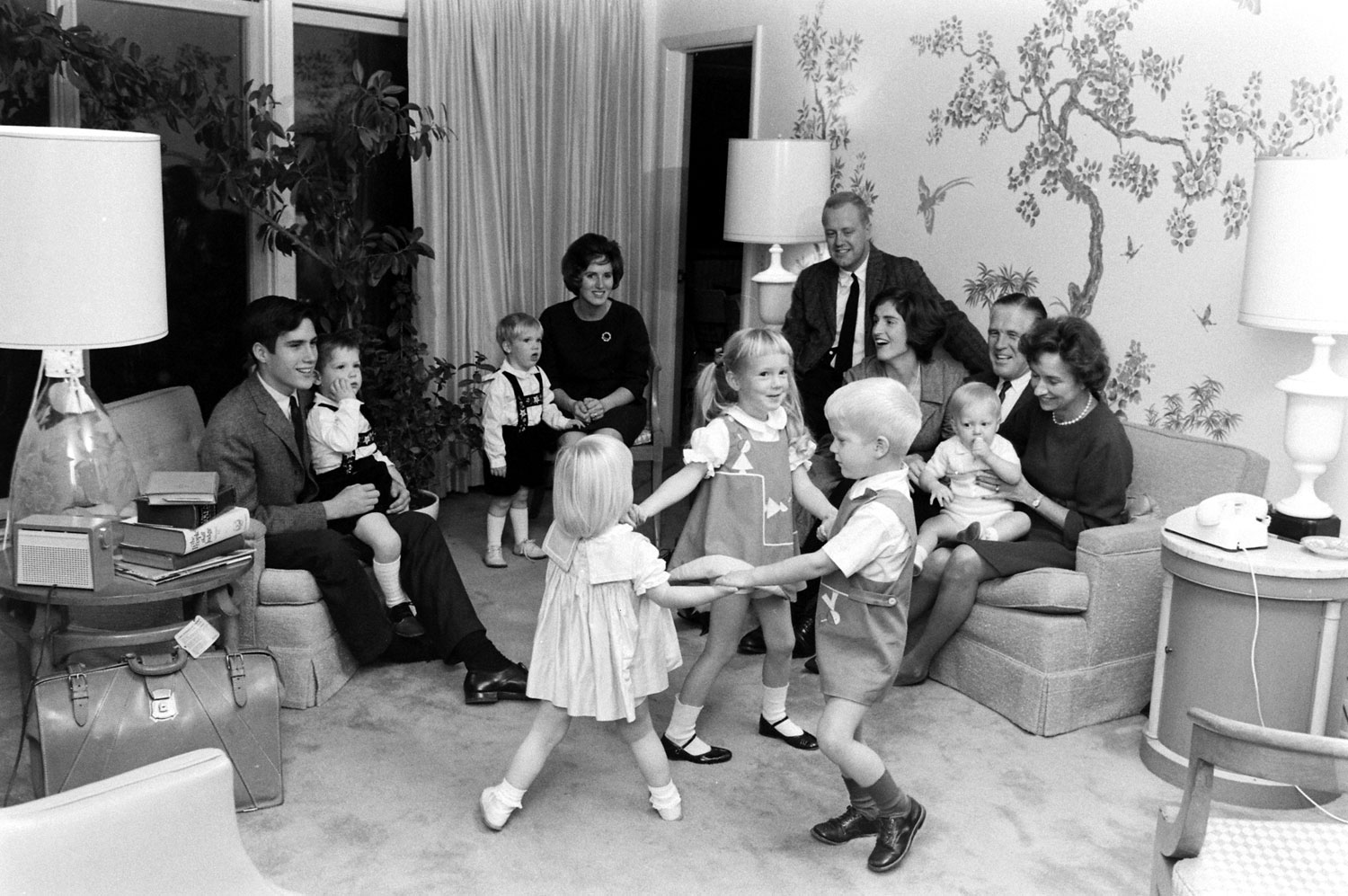
Caption from LIFE. With 'Mitt,' 10, youngest of Romney children, [George Romney] inspects house at Bloomfield Hills which he and his wife designed.Grey Villet—The LIFE Picture Collection/Getty ImagesGeorge Romney with his son, Mitt, 1958.Grey Villet—The LIFE Picture Collection/Getty ImagesGeorge Romney with his son, Mitt, playing with electric trains, 1958.Grey Villet—The LIFE Picture Collection/Getty ImagesGeorge Romney with his son, Mitt, on a frosty golf course, 1958.Grey Villet—The LIFE Picture Collection/Getty ImagesGeorge Romney with his son, Mitt, on a frosty golf course, 1958.Grey Villet—The LIFE Picture Collection/Getty ImagesCaption from LIFE. From airport to Milwaukee [auto] body plant Romney takes catnap in Rambler station wagon built-in bed, with briefcase as pillow.Grey Villet—The LIFE Picture Collection/Getty ImagesCaption from LIFE. Romney family: Mitt, wife Lenore, son Scott, 16, and daughter Jane, 19, at piano, join together in a hymn. 'The biggest sale I ever made,' Romney said, 'was convincing Lenore to marry me. During our courtship she was offered $50,000 by Paramount to sign a five-year movie contract."Grey Villet—The LIFE Picture Collection/Getty ImagesCaption from LIFE. On desk George Romney keeps prehistoric animals to remind him of favorite 'big-car' analogy. 'Some dinosaurs had a 70-foot wheelbase and huge fuel consumption. The principal factor in their extinction was the fact that they got so big they were unable to live.'Grey Villet—The LIFE Picture Collection/Getty ImagesGeorge and Lenore Romney, 1962Francis Miller—The LIFE Picture Collection/Getty ImagesCaption from LIFE. After Sunday services the Romneys crowd onto a sofa in living room. Son Mitt and married daughters Jane and Lynn are at the rear. From left, grandchildren are Gregory (held by Lenore), Douglas, Susan, Brett and Jody. Another son, Scott, is in England with a mission group.Francis Miller—The LIFE Picture Collection/Getty ImagesGeorge Romney and grandchildren, 1962Francis Miller—The LIFE Picture Collection/Getty ImagesGeorge Romney and grandchildren, 1962Francis Miller—The LIFE Picture Collection/Getty ImagesCaption from LIFE. A Detroit Mormon leader of the church in Michigan area, Romney sits behind the pulpit with fellow dignitaries in church in Bloomfield Hills at Sunday services at which he officiates.Francis Miller—The LIFE Picture Collection/Getty ImagesGeorge Romney officiates during a Mormon service, Michigan, 1962.Francis Miller—The LIFE Picture Collection/Getty ImagesCaption from LIFE. At end of a long day on the new state constitution -- and after a quick change to pajamas -- Romney falls asleep on fold-back seat of his car as the chauffeur begins the trip back to Bloomfield Hills.Francis Miller—The LIFE Picture Collection/Getty ImagesMichigan governor George Romney on the golf course, 1963.Francis Miller—The LIFE Picture Collection/Getty ImagesMichigan governor George Romney and wife Lenore (right), November 1963.Francis Miller—The LIFE Picture Collection/Getty ImagesLenore Romney, wife of Michigan governor George Romney, East Lansing, Mich., 1963.Francis Miller—The LIFE Picture Collection/Getty ImagesMichigan governor George Romney (center) and family, November 1963. Mitt Romney is seated, on the left.Francis Miller—The LIFE Picture Collection/Getty ImagesMichigan governor George Romney (left) and family, November 1963.Francis Miller—The LIFE Picture Collection/Getty ImagesMichigan governor George Romney at home, 1963.Francis Miller—The LIFE Picture Collection/Getty ImagesMitt Romney places a birthday cake before his mother, Lenore, in November 1963.Francis Miller—The LIFE Picture Collection/Getty ImagesMichigan governor George Romney (seated on couch at right) with family, November 1963. Mitt Romney is seated at left.Francis Miller—The LIFE Picture Collection/Getty Images









![With 'Mitt,' 10, youngest of Romney children, [George Romney] inspects house at Bloomfield Hills which he and his wife designed.](https://api.time.com/wp-content/uploads/2012/10/150116-mitt-romney-01.jpg?quality=75&w=2400 "00931500.JPG")