Angela Merkel is the most powerful woman in the world, the leader of the country that drives the European economy, and may help determine the fate of the greatest refugee crisis since World War II. She’s also a soccer-loving scientist who is reportedly afraid of dogs. Here are 13 things you may not know about 2015’s Person of the Year:
Her Name

Angela Merkel grew up Angela Kasner, and her father’s family is partly of Polish descent. Merkel is the name of her first husband, a fellow physics student whom she married in 1977 and divorced four years later, according to a profile in the New Yorker.
Her Childhood
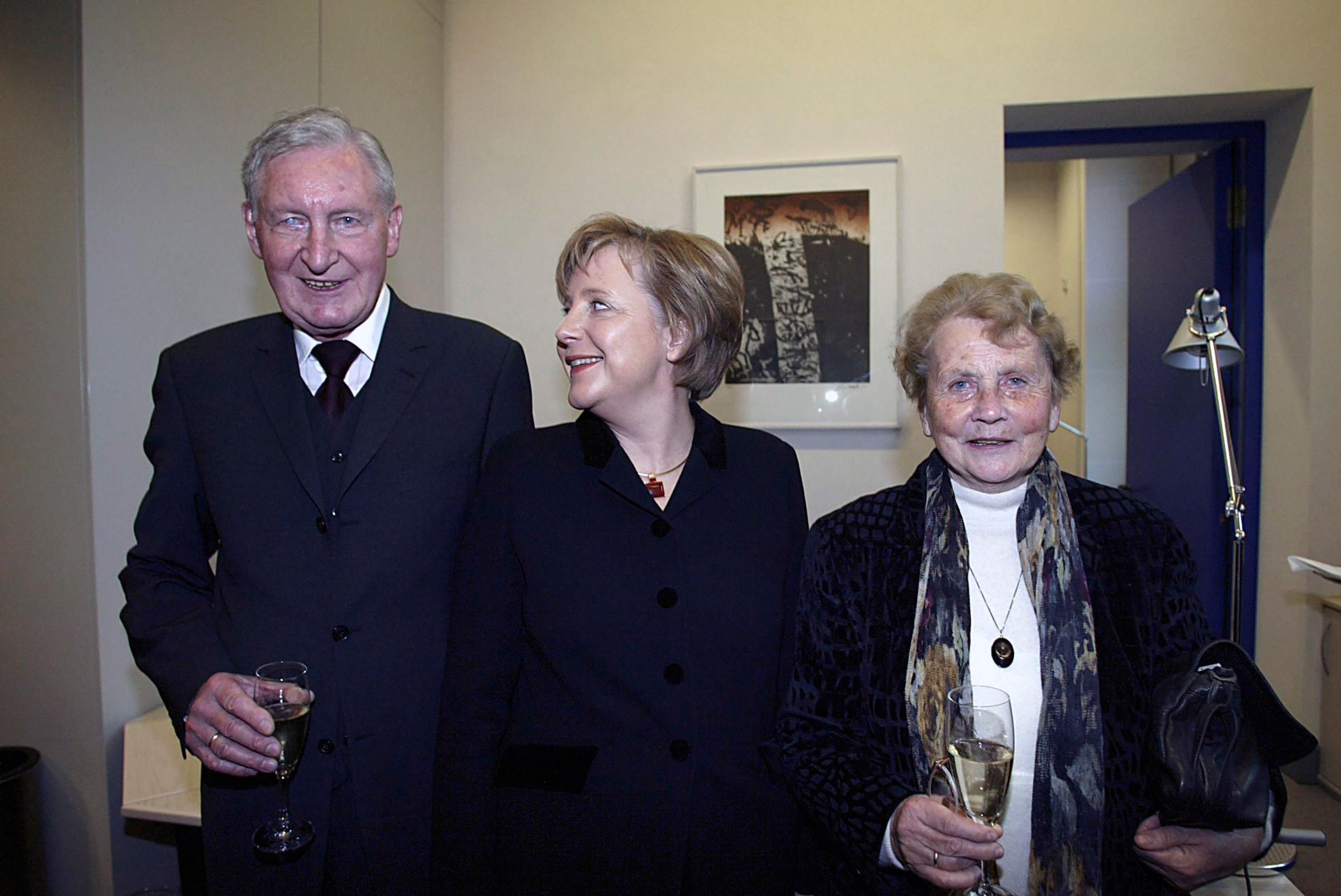
Merkel’s father was an official in the Lutheran church. He moved the family from West Germany to Soviet-controlled East Germany shortly after Angela was born, even as thousands of others were fleeing the other way. Merkel’s disciplined and cautious approach to politics is often credited to her East German upbringing.
Her Nickname
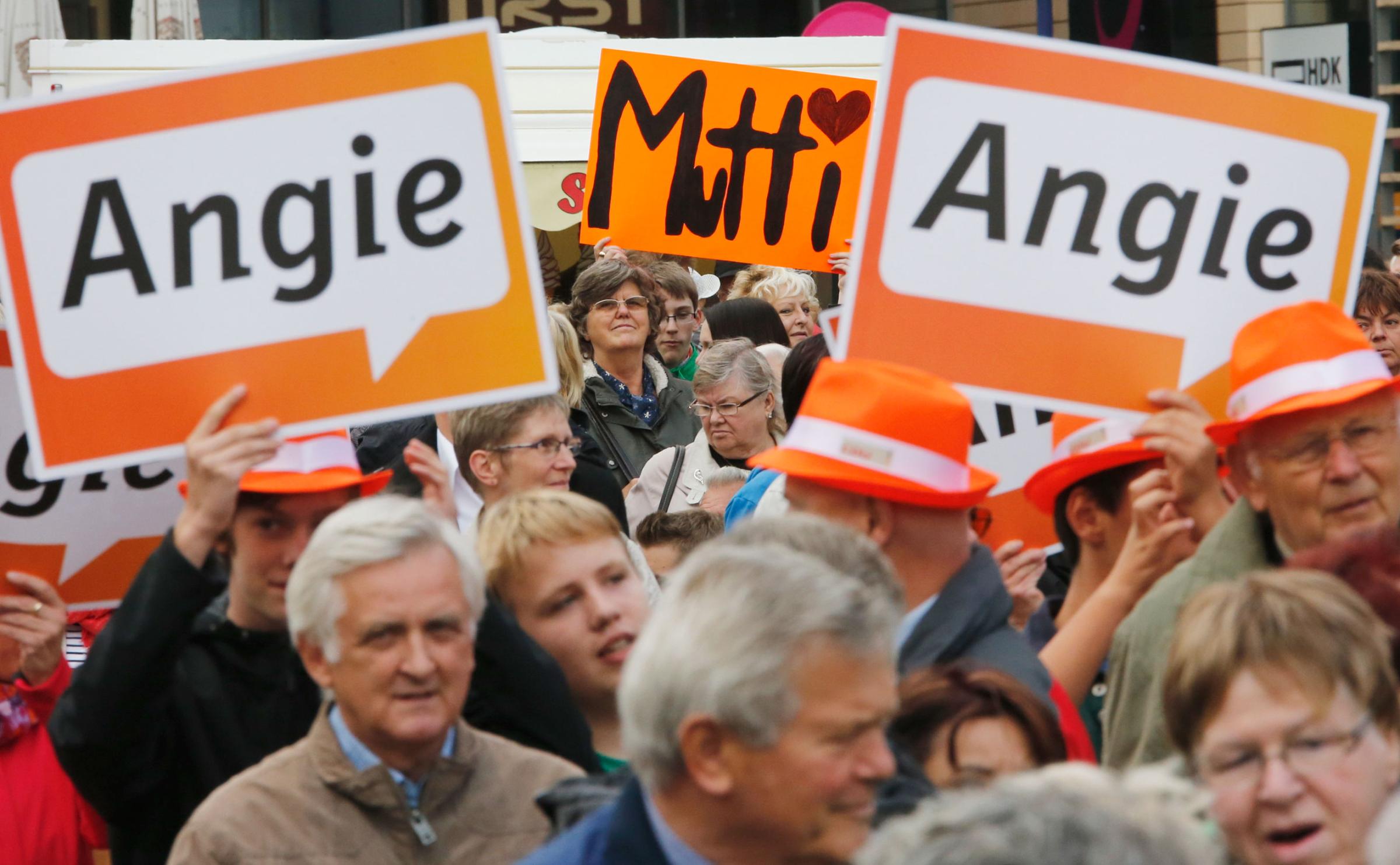
German supporters call her Mutti, which means “Mommy.”
Her Aversion to Risk
As a nine-year-old in gym class, Angela once stood paralyzed at the top of a diving board for 45 minutes before finally deciding to jump in the pool right before class ended.
Her Side Gig
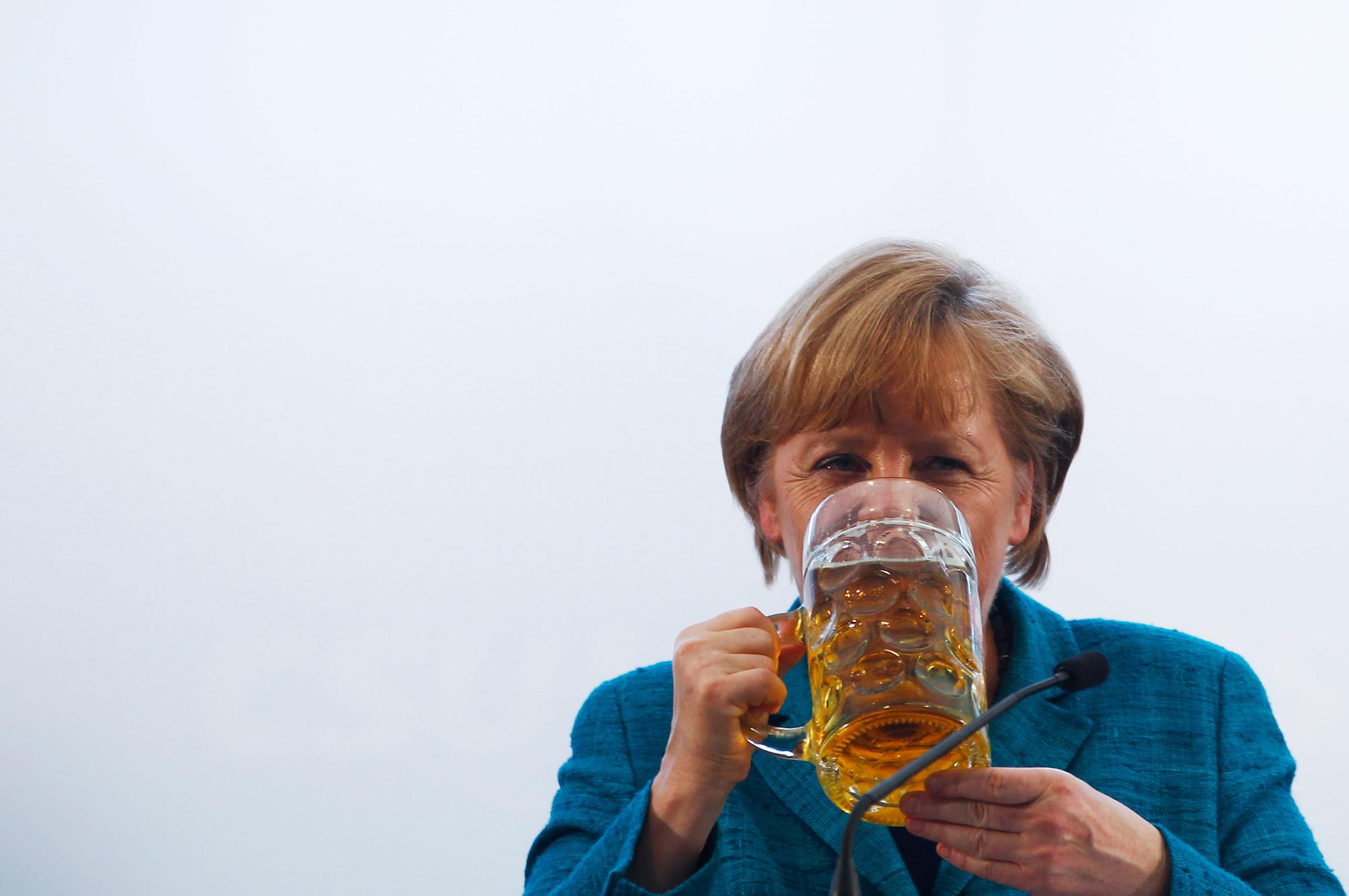
Merkel worked as a bartender at disco parties in college.
Her Science Chops
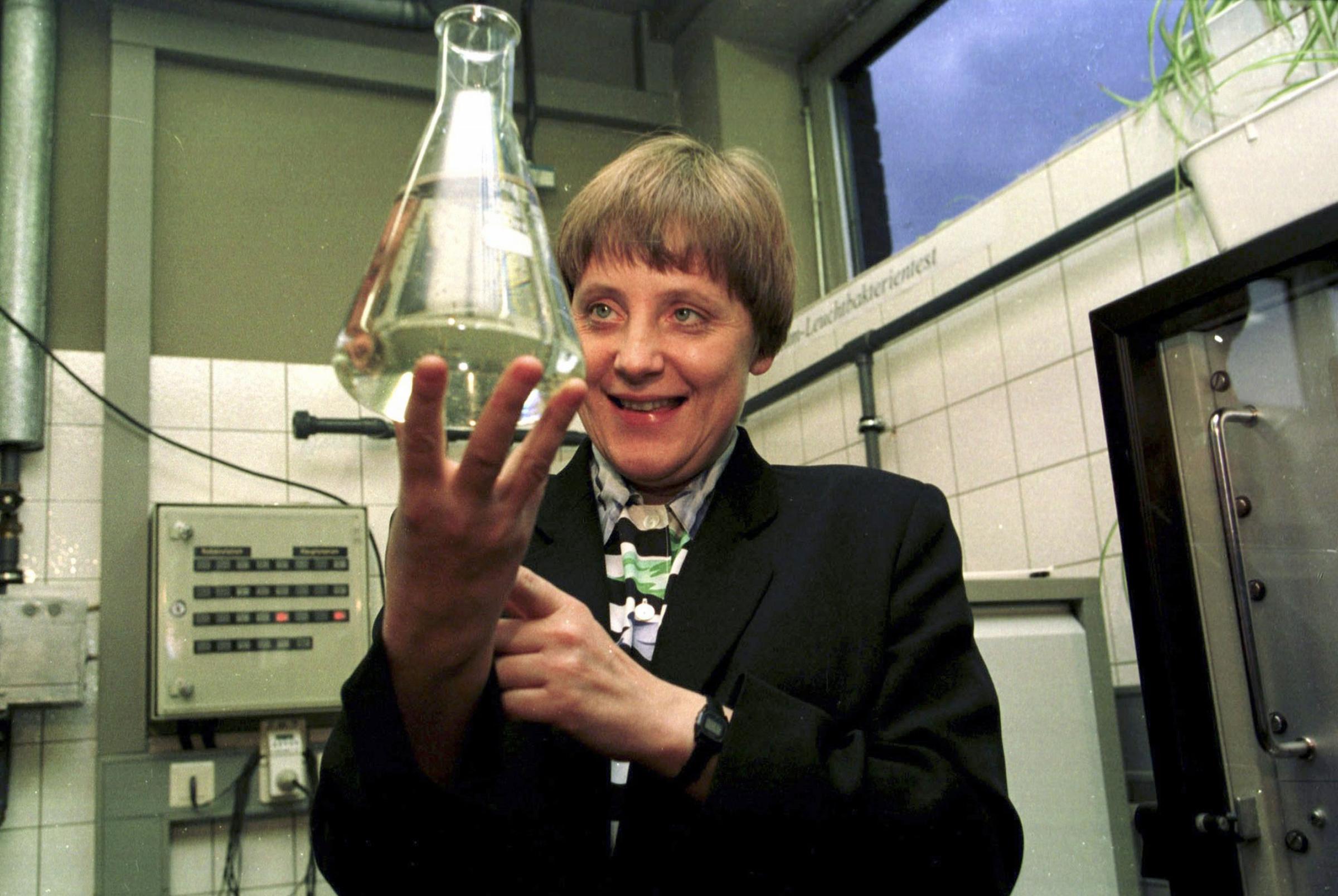
She has a degree in physics and a doctorate in quantum chemistry, and some say her success as a politician comes from her scientific, analytic approach to situations. She went on to work as a research scientist, as the only woman in the theoretical chemistry section at the East German Academy of Sciences.
Her Smart Move
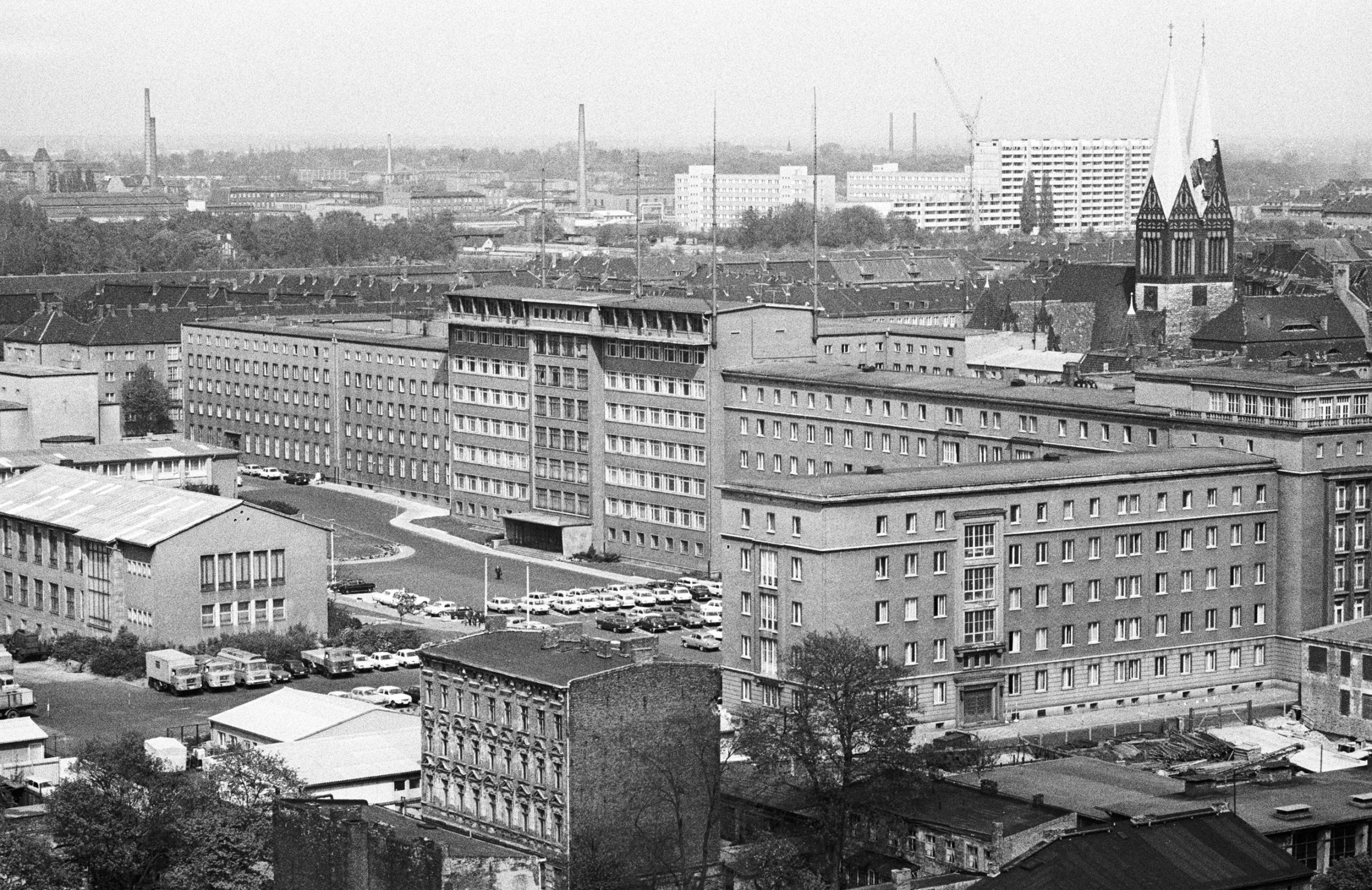
At the end of the 1970s, Merkel applied for an assistant professor position at an engineering school and was asked to join the Stasi (East German secret police.) She says she refused, claiming that she would make a bad spy because she was too much of a blabbermouth. She didn’t get the job. Had she joined, a future career in German politics would have been impossible, according to a profile in Bloomberg BusinessWeek. For some politicians in a reunified Germany, any past association with the Stasi would soon be considered politically poisonous, and many were forced to resign when past links were discovered.
Her Quarter-Life Crisis
After Merkel divorced her first husband, she lived like a squatter in an illegal apartment near the Friedrichstrasse train station. On her 30th birthday, her father came to visit, telling her, “You haven’t gotten very far.”
Her Discipline

On the night the Berlin wall fell, in November 1989, 35-year-old Merkel visited a sauna. Afterward, she wandered across the border to celebrate briefly with strangers, drank one beer, then went immediately home so she wouldn’t be tired for work the next day. Almost everyone else in Germany was out all night long.
Her Husband
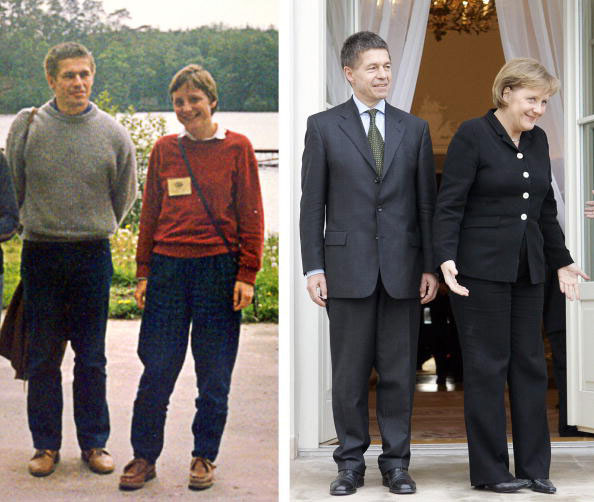
Her husband Joachim Sauer, a professor at Berlin University, dislikes publicity so much he didn’t even show up to Merkel’s 2005 inauguration as Chancellor. He has also been known to fly budget airlines even when he is allowed to travel with Merkel on official planes. They love seeing opera and hiking together. Thanks to his interest in opera and avoidance of the spotlight, the German media have nicknamed Sauer, “the Phantom of the Opera.”
Her Secret Talent
Merkel is reportedly a very good cook, makes a mean plum cake, and has been spotted shopping for groceries at regular supermarkets where she pays in cash. She told former Nigerian President Goodluck Jonathan that she makes breakfast for her husband every morning.
Her Secret Fear
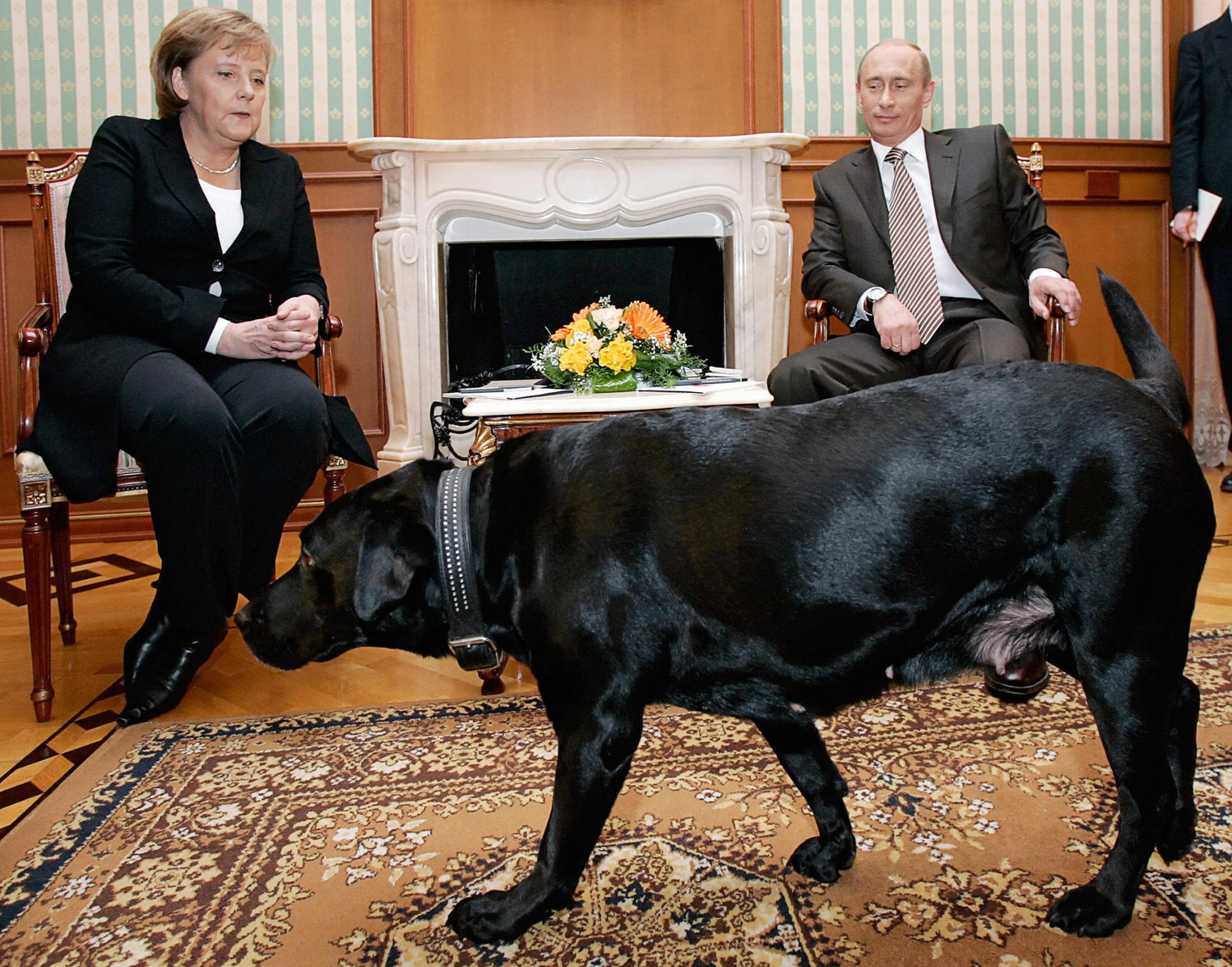
She is afraid of dogs after she was bitten by one in 1995, and Vladimir Putin has repeatedly used his pet dogs to try to intimidate Merkel, according to numerous press reports cited by Foreign Policy.
Her Love of Soccer
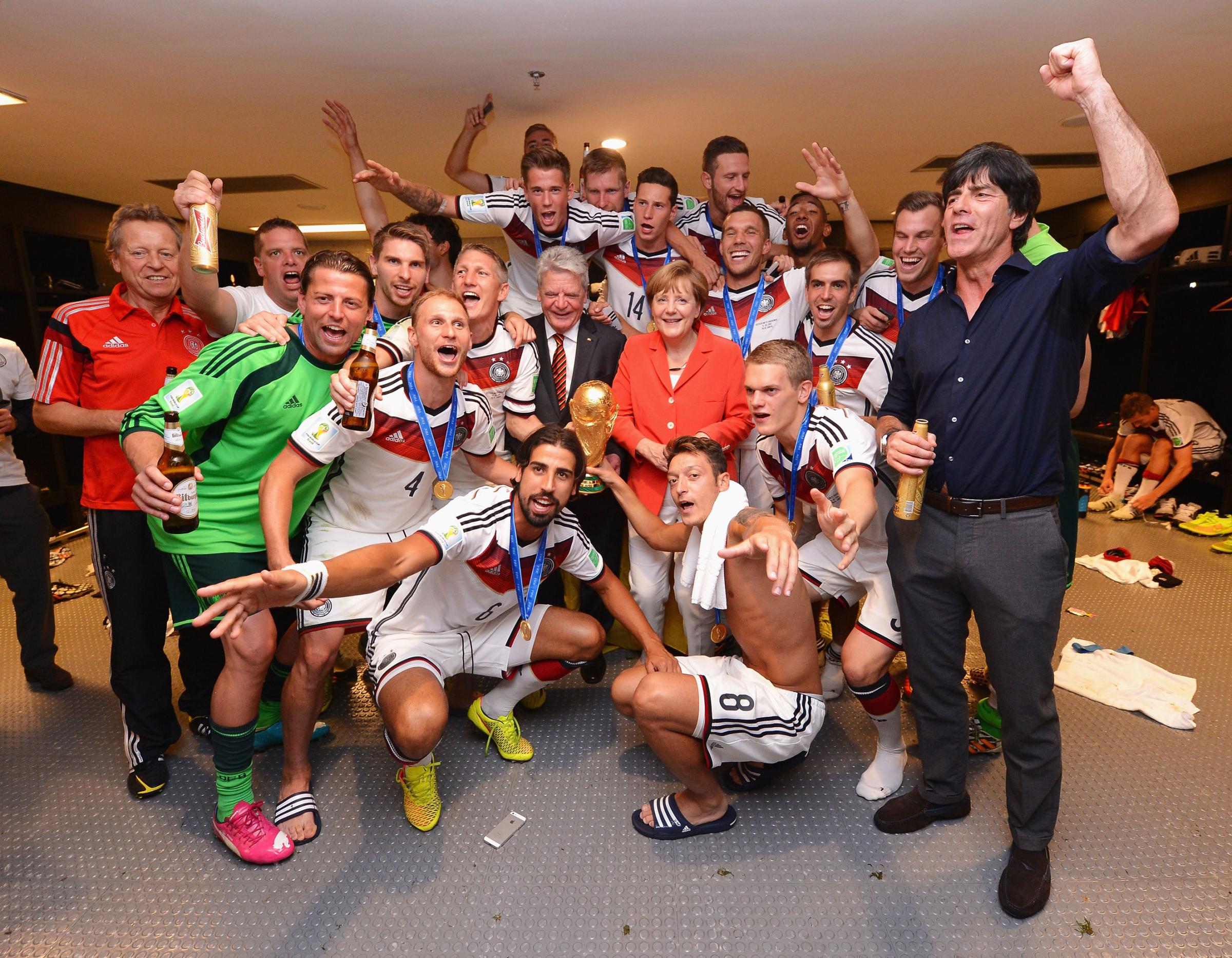
Merkel frequently visits the German soccer team’s locker rooms to congratulate them after a win, and once saw star player Bastian Schweinsteiger naked by accident.
More Must-Reads From TIME
- The 100 Most Influential People of 2024
- The Revolution of Yulia Navalnaya
- 6 Compliments That Land Every Time
- What's the Deal With the Bitcoin Halving?
- If You're Dating Right Now , You're Brave: Column
- The AI That Could Heal a Divided Internet
- Fallout Is a Brilliant Model for the Future of Video Game Adaptations
- Want Weekly Recs on What to Watch, Read, and More? Sign Up for Worth Your Time
Write to Charlotte Alter at charlotte.alter@time.com